
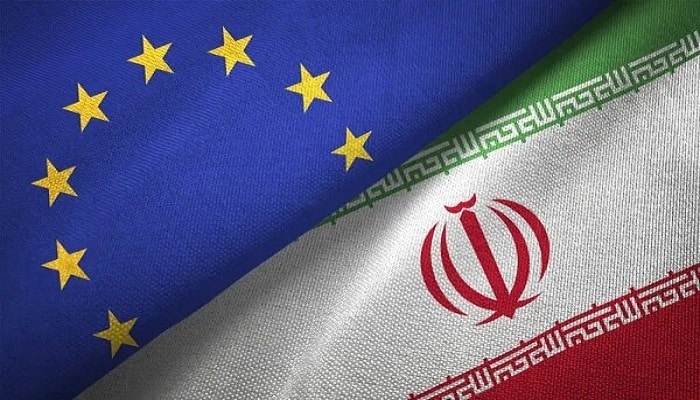
PNN – Europe, which in the past played a direct role in the imposed war against Iran by supplying weapons to the Saddam regime, continues on the same path today by repeating hostile policies and using labels such as “terrorism.”
The recent move by the European Union to list the Islamic Revolutionary Guard Corps (IRGC) as a terrorist organization was strongly condemned by senior officials of the Islamic Republic of Iran, not only as an illegal and discredited political move, but also as a symbol of contemporary Europe’s complete dependence on the orders of the White House and Tel Aviv. This decision, which was made in a situation where the world was witnessing the IRGC’s clear role in overthrowing ISIS and saving the people of the region from the global threat of terrorism, prompted a unified and decisive response from the country’s military, security, and political institutions.
Official reactions: unified condemnation and announcement of countermeasures
In a public session of the Islamic Consultative Assembly, Ayatollah Seyyed Mohammad Baqer Qalibaf, referring to the anniversary of the return of Imam Khomeini (RA) and the beginning of the blessed decade of Fajr, called this action “irresponsible” and “in compliance with the orders of the US President and the leaders of the Zionist regime,” and stated: This move has accelerated Europe’s path to becoming irrelevant in the future world order. Recalling the role of the IRGC in ensuring national security and providing services to the people in natural and social crises, the Speaker of the Parliament emphasized: The Iranian people consider the IRGC a part of themselves, and such attacks only strengthen social solidarity in support of this institution.
Following this action, the Islamic Republic of Iran’s army issued a statement calling it “ridiculous” and a sign of Europe’s efforts to “escape passivity in global developments,” and reminded: European countries that stood up to the Iranian nation during the imposed war by donating chemical weapons to Saddam’s Baathist regime have added another stain to their black record with this decision today.
The Ministry of Intelligence also called this action “forceful” in a statement, citing verses from the Holy Quran, and emphasized: The hostility of this evil front towards the IRGC is a great honor. The ministry, while referring to the terrorists taking refuge in European soil, announced: The Ministry of Intelligence will always be a comrade-in-arms of the IRGC in the trenches of anonymity.
Europe, the servant of the United States on the path to historic decline
From the perspective of Iranian military and political analysts, this action was taken within the framework of the US strategy of maximum pressure against Iran and weakening its role in the region. The European Union, which is losing its foreign policy independence after the Ukraine war, the energy crisis, and intra-NATO disputes, is seeking Washington’s approval with this move to help solve its domestic problems. But this short-sighted approach not only does not serve Europe’s interests, but also accelerates its geopolitical decline by reinforcing the image of a “dependent Europe.”
Iran’s response: Reciprocal Action and Strengthening National Cohesion Act
In response to this action, the Speaker of the Islamic Consultative Assembly, referring to Section 7 of the Retaliatory Action Law, announced: In contrast to declaring the IRGC a terrorist organization, the armies of European countries are considered a terrorist group, and the consequences of this action will be the responsibility of the European Union. This approach demonstrates Iran’s readiness to respond decisively and proportionately to any hostile action.
The Revolutionary Guards’ statement also placed special emphasis on “national solidarity” and declared: This solidarity is a clear manifestation of the Iranian nation’s shared understanding of the social capital of the system. This reaction shows that from Tehran’s perspective, external pressures not only do not lead to weakening the system, but rather, by strengthening internal cohesion, they pave the way for further consolidation of the foundations of the Islamic state.