
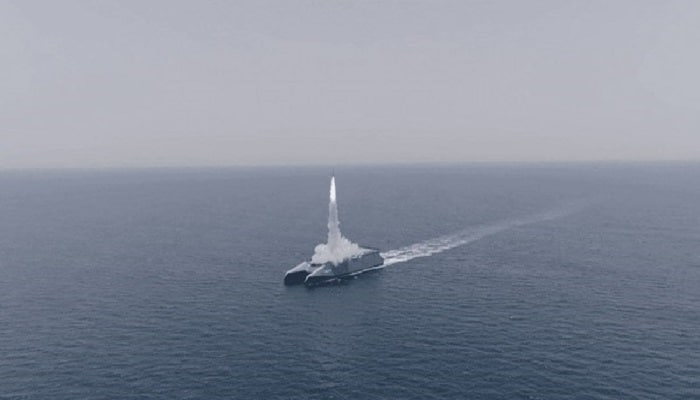
PNN – The change in the operational arrangement of naval units and the addition of new defensive and offensive layers, especially in the form of a network-based structure, has made it possible to define more effective tools for increasing deterrence at sea; a tool whose role will be decisive in future battle equations.
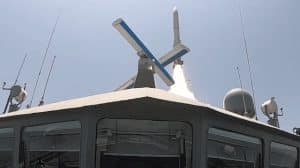
Equipping the Martyr Soleimani-class vessels with the Sayyad 3-G (marine version of the Sayyad 3-F) defensive missile is an operational step towards establishing long-range, ship-based defense in the Navy’s combat structure; a transformation that elevates this class from a primarily offensive missile-launching platform to a multi-role element with regional air defense capabilities.
This development makes sense when the defense system includes a missile with an operational range of about 120 to 150 kilometers, an engagement ceiling of more than 25 kilometers, combined guidance, and multi-target engagement capability, and along with that, a three-dimensional radar with the ability to detect targets at long ranges and relative resistance to electronic warfare, as well as an integrated battle management system, is deployed on the vessel.
From the perspective of maritime air defense doctrine, the mere deployment of a vertical launch launcher alone does not create an effective defense umbrella; rather, its effectiveness depends on stable connection to the command and control network, data exchange with other units, and coordination with coastal and airborne systems.
In such a framework, this vessel can act as a regional defense node in the battle group and, by increasing its own survivability and that of its accompanying units, increase the enemy’s reaction time and operational cost.
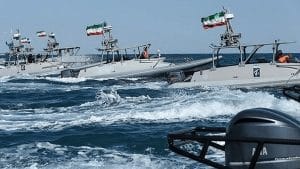
In the IRGC Navy’s combat structure, tactics based on high mobility and concentration of fire by hard-line units continue to be considered one of the main components of deterrence. However, these light units are vulnerable to aerial threats including multi-role fighters, attack helicopters, armed drones, and anti-ship cruise missiles.
The deployment of one or more Martyr Soleimani-class aircraft equipped with long-range defense in the operational formation of these units creates a mobile defense umbrella with an operational radius of about 150 kilometers.
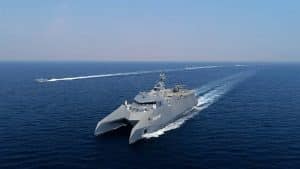
This defensive umbrella causes air threats to engage the defense system before they reach effective attack range against fast vessels. The operational result of this situation is increased survivability of light units, improved time in the area of operations, and expanded freedom of action for the field commander in implementing saturation and strike tactics.
At the same time, this defensive capability depends on the stability of sensors, management of saturation threats, and the integrity of the communication network, and should be analyzed in the form of a network-based system, not as an independent and isolated capability.
Formation of the IRGC’s network-based combat group at sea
If the Martyr Soleimani class is combined with ocean support vessels such as the Martyr Mahdavi, it will be possible to form a mission-oriented naval battle group.
In this structure, the support vessel plays the role of providing fuel, ammunition, spare parts, and operational support, ensuring continued presence in the mission area.
In such a combination, the Martyr Soleimani class can simultaneously perform surface attack missions and regional air defense missions, protecting the combat formation from air threats.
From a combat organization perspective, this model is equivalent to a light, network-based battle group that operates based on the integration of sensors, communications, and fires into a coordinated structure. Such a structure reduces operational dependence on the shore and facilitates the transfer of deterrence from the coastal environment to the maritime space.
Possibility of realizing an IRGC combat group with a maritime A2/AD concept
In military literature, the concept of a naval battle group usually refers to a temporary arrangement of combat units, including defensive destroyers, large carriers, escort units, and support vessels, operating based on the networking of sensors and weapons.
If a combat group consisting of the Martyr Soleimani class and the Martyr Mahdavi support ship is formed, it can be defined within the framework of a light, mission-oriented combat group with a similar function, but in line with the local strategy and operational structure.
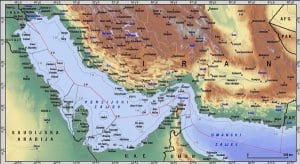
From a strategic perspective, this combination can be analyzed within the conceptual framework of maritime A2/AD; meaning that creating multiple defensive and offensive layers in maritime spaces increases the cost of entry and presence of hostile forces and limits their scope of freedom of action.
In this model, ship-based defense is considered part of a broader deterrent network that also includes coastal, drone, and missile systems.
The importance of this development lies in increasing survivability and enhancing the level of maritime deterrence, provided that this capability is operationalized within the framework of an integrated command and control network and with sustainable logistical support.
In such a direction, the development of this model could serve as a basis for the expansion of more independent and mission-oriented combat formations in regional waters and beyond.