
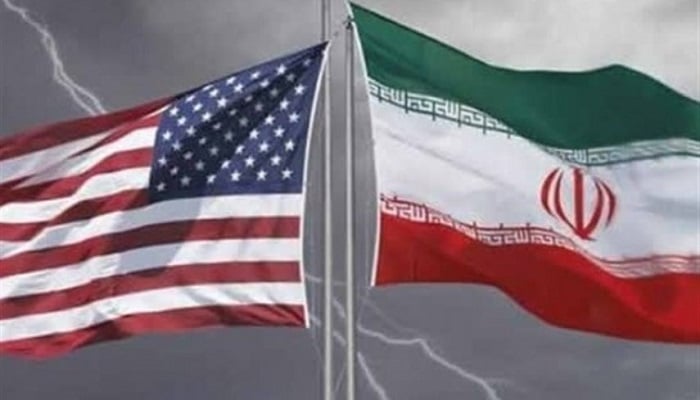
PNN – In an article, Al Jazeera examined Iran’s strengths in nuclear negotiations and the reasons why it did not give in to US pressure.
Following the analysis by regional and international circles and media of developments related to the Iran-US nuclear talks and Tehran’s firm stance against Washington’s threats, Al Jazeera, in an article titled “Iran Will Not Surrender,” examined the dimensions of these talks and the reasons for Iran’s surprising resistance to US threats. The article is as follows:
Iran will not surrender.
Amidst America’s astonishment at Tehran’s refusal to surrender despite Washington’s all-out pressure, Iran’s response was crystal clear: We will not surrender.
While the US continues to strengthen its military force in the region and has intensified its tone of threats, Iran, recalling the experience of previous negotiations that were accompanied by US betrayal and deception and led to the start of a 12-day war, is demonstrating deterrent capabilities that will make the war costly for the American side.
US envoy Steve Whittaker recently made a strange admission that US President Donald Trump was surprised by the Iranians’ refusal to surrender despite intense US military pressure.
Speaking to Fox News, Whittaker said that convincing Tehran remains difficult, and the Iranians insist that their nuclear program is peaceful.
But Iranian Foreign Minister Seyyed Abbas Araqchi quickly responded to Whittaker’s remarks by tweeting: Curious why we don’t surrender? Because we are Iranians.
This raises many questions about Iran’s position and why it has not given in. Tehran is proud of its resistance, but is it not afraid of war, especially given the continued US military buildup in the region and Washington’s escalating rhetoric and positions?
Iranian officials continue to insist that they have not forgotten the history of previous negotiations. The 12-day war began while negotiations with Washington were underway, just two days before the sixth round of talks was scheduled to be held in Muscat, the capital of Oman.
By unveiling new military technologies and maintaining a state of full alert, the Iranians maintain their combat readiness and readiness to counter any attack, and military meetings with allies and neighbors have not stopped.
Iran’s official position in negotiations and refusal to discuss non-nuclear issues
Meanwhile, the United States accuses Iran of not being serious in the negotiations, trying to prolong them, and not wanting to reach a real agreement, but this position of Washington is unfair. Iranian Foreign Ministry spokesman Esmail Baghaei rejected these accusations on Monday, stating that his country is serious and determined to continue the diplomatic process.
Furthermore, the ongoing negotiations have seen unprecedented progress. In the second round, both sides agreed to submit their drafts of the text of a possible agreement in the anticipated third round, which the Omani Foreign Minister, acting as mediator, said would be held in Geneva next Thursday.
Iran’s Foreign Ministry spokesman said on Monday that his country is preparing its draft to present to the Omani mediator before the end of this week, stressing that talk of a “temporary agreement” has no basis.
Iranian officials insist that negotiations with the United States have not gone beyond the nuclear issue, meaning that, contrary to what the United States and Israel wanted, Iran’s missile program and its regional allies were not on the agenda of the talks, and Tehran insists that it will refrain from discussing any non-nuclear issues.
Why does Iran insist on indirect negotiations?
Tehran continues to insist that negotiations with the United States are indirect, and Iranian Foreign Minister Araghchi said about the brief meeting between the two delegations after the first round of talks in Muscat that the meeting was within the framework of the usual diplomatic process and included an exchange of greetings.
Iran’s insistence on indirect negotiations with Washington stems from the political and security belief in Tehran that entering into direct negotiations with the United States would give the country leverage and therefore any direct negotiations should be avoided.
On the other hand, indirect negotiations give the Iranians more political maneuvering space and allow them to test the intentions of the American side without falling into the trap of direct engagement, a view based on strategic assessments well-established in Iranian decision-making circles.
But in general, Tehran prefers to coordinate and negotiate through intermediaries, especially given the climate of distrust between Iranian officials and the United States.