
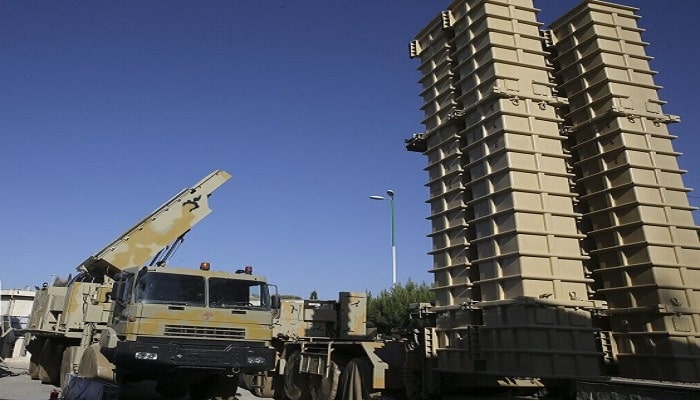
PNN – An American magazine wrote: What has prevented Washington from taking military action against Iran is Iran’s real and significant ability to drag the United States and the entire region into a long and difficult war of attrition that could unimaginably accelerate the decline of America’s global hegemony.
According to the report of Pakistan News Network, the magazine “Responsible Statecraft”, the media arm of the American think tank Quincy, wrote, referring to the ongoing indirect negotiations between Iran and the United States: If the current negotiations lead to a resolution of the nuclear differences, it would show that the United States understands that military action against Iran constitutes a terrifying black box that the United States has no desire to open.
According to this American media outlet, what has deterred Trump more than any other factor from taking military action against Iran is Iran’s real and significant ability to drag the United States and the entire region into a difficult and long-term war of attrition, which could accelerate the decline of America’s global hegemony in a way that was previously considered unimaginable.
The American magazine added: There is no doubt that the current impasse contains nothing new. On the contrary, almost all of its defining features were recognizable or predictable before Trump withdrew from the JCPOA. In fact, former US President Barack Obama’s pursuit of nuclear diplomacy was largely guided and driven by the same military realities that have led Trump to pursue diplomacy with Iran to this day.
The media outlet wrote: Nine years after Trump first decided to rewrite the legacy of the Obama deal, the paths available to Washington are clearer than at any time since the 1979 Islamic Revolution: A full-scale regional war whose limits are not set by Washington, or a nuclear deal that, although not perfect from Trump’s perspective, pulls the United States back from the brink of an endless and uncontrollable regional war with Iran.
Following the 12-day war between the United States and Israel against the peaceful nuclear facilities of the Islamic Republic of Iran in the midst of negotiations, indirect talks between Tehran and Washington have resumed.
The first round of indirect Tehran-Washington talks after the 12-day war was held in Muscat (February 6, 2026), and during the talks, the Iranian and American negotiating teams conveyed a set of opinions, considerations, and approaches to each other through Omani Foreign Minister Badr Al-Busaidy.
The second round of nuclear talks between Iran and the United States was held in Geneva, Switzerland, on Tuesday (February 17, 2026) and ended after about three hours and 30 minutes of intensive diplomatic consultations.
This round of negotiations, like previous ones, was held indirectly and with the mediation of the Sultanate of Oman.