
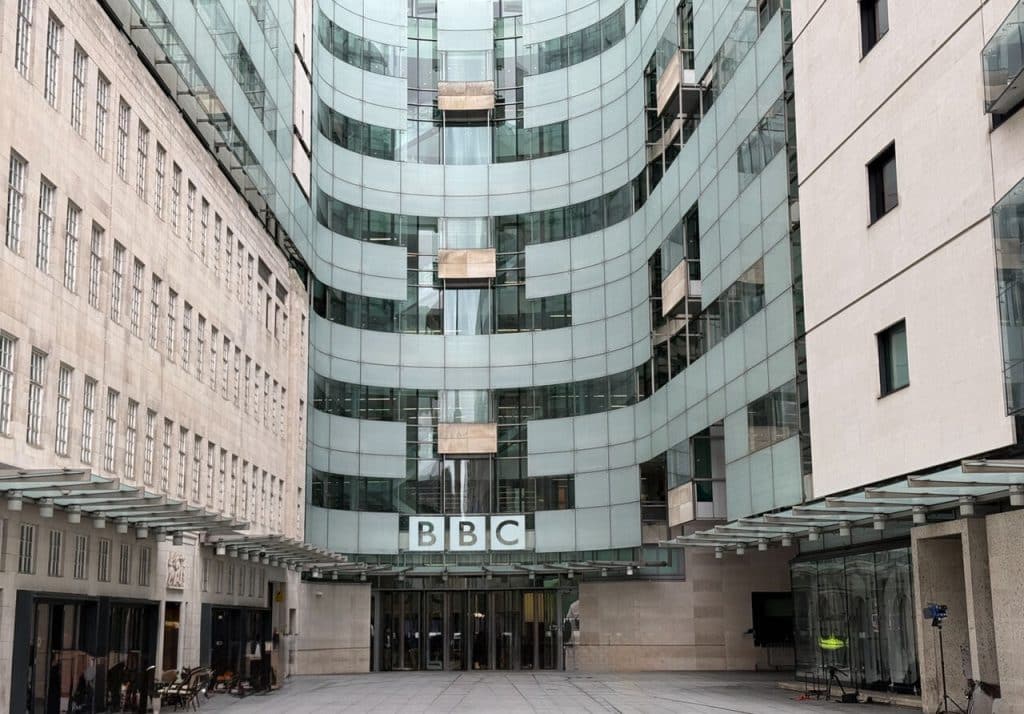
BBC silent on Zionist regime’s crimes.
Des Friedman, a professor of media studies at Goldsmiths University in London, has described the BBC’s recent decision not to broadcast a sensitive section of footage of the execution of two Palestinian citizens in Jenin in an analytical note, describing this approach as “hidden editing” and a sign of the network’s structural bias towards the violence of the Zionist regime.
He says that, unlike the incident with the editing of Donald Trump’s speech, this distortion did not lead to an official apology, nor did anyone resign from the BBC over it.
Friedman recalls that in November 2025, the disclosure of a controversial edit of part of Trump’s speech in a program about the events of January 6th in the US Capitol building, and instilling the impression that the then-president had explicitly called on his supporters to violence, sent a wave of criticism towards the BBC. This criticism was eventually accompanied by an admission of error, a formal apology, and the resignation of the media organization’s director general and head of news.
Just days after the crisis, the BBC was accused of editing a controversial Palestinian event in another case, the professor writes. On November 29, CCTV cameras in Jenin captured footage of Israeli forces shooting two unarmed Palestinian men at close range after they had raised their hands and surrendered. The footage was quickly broadcast around the world, but the BBC cut to the moment before the shooting, with the reporter on-air announcing, “We are losing the footage at this point.”
Friedman insists that the BBC did not actually “lose” anything, but rather deliberately chose not to show the most sensitive part of the footage. This is despite the network’s own editorial guidelines stating that in cases involving widespread death and suffering, the use of shocking images is justified if necessary to show the full extent of the disaster.
He writes that this decision is not a technical error, but an example of the daily implementation of a policy called “contingent neutrality,” which in practice makes the violence of the Zionist regime seem insignificant, conditional, and open to interpretation.
The media analyst also points out the BBC reporter’s narrative, which uses the adverb “seems” several times, saying that the Palestinian men “seem to surrender” or that the Zionist forces “seem” to shoot at them, while some other media outlets, including Haaretz, described the same images with clearer terms such as “shooting two Palestinians after surrendering” and did not use ambiguous terms.