
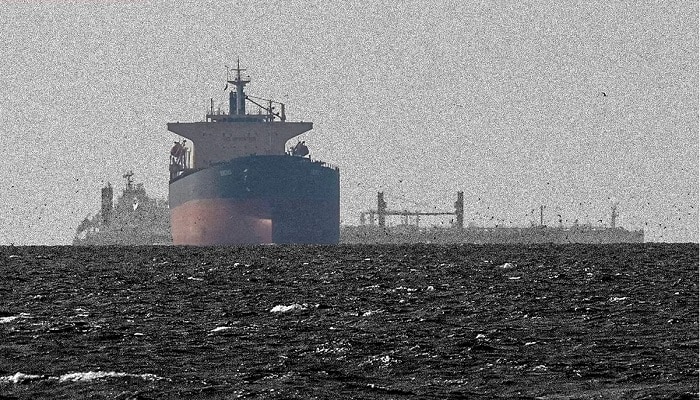
PNN – While the United States, in an unprecedented move in the midst of war, authorized a temporary suspension of the Iranian oil embargo, many analysts believe that this decision will not be effective due to the maintenance of financial and banking restrictions.
According to the report of Pakistan News Network, at the height of tensions and war against Iran, the US government, in an unprecedented move, temporarily suspended sanctions related to the purchase of Iranian oil at sea. One of the most important reasons for this decision is to reduce pressure on the global energy market.
According to global media reports, the United States has temporarily limited sanctions on Iranian oil for 30 days. US Treasury Secretary Scott Besant announced that this exemption could allow about 140 million barrels of oil to enter global markets and help reduce pressure on energy supplies.
This temporary exemption, aimed at reducing oil prices, allows the sale, delivery, and unloading of sanctioned Iranian oil loaded onto ships before March 20.
The British newspaper The Guardian reported that the move reflects the White House’s concern about the sharp rise in oil prices, which have risen by about 50 percent to more than $100 per barrel, the highest level since 2022. According to the British newspaper, the jump in oil prices could hurt American businesses and consumers ahead of the November midterm elections, in which Republicans hope to retain control of Congress.
However, Besant’s initial proposal for this exemption raised concerns that the move could aid Iran’s war effort.
This is the third time the United States has temporarily suspended sanctions in about two weeks. The United States previously eased sanctions on Russian oil, and on Friday, the sale of Iranian crude oil and petroleum products loaded on ships is allowed until April 19, according to an authorization published on the U.S. Treasury Department website.
US Treasury Department gives green light to buy Iranian oil
The authorization, posted on the Treasury Department’s website after market hours, states that Iranian oil can enter the United States under this exemption if necessary to complete a sale or delivery. The United States has had virtually no significant imports of Iranian oil since sanctions were imposed after the 1979 revolution.
However, according to the Guardian, it is unclear whether any oil from Iran will enter US territory as a result of this exemption. Of course, Cuba, North Korea and Crimea are among the areas exempted from this permit.
Analysts: US decision cannot control the market
However, despite the US granting sanctions exemptions for the sale of Iranian oil, experts say Tehran still faces a fundamental problem in collecting its revenues, an issue that limits the real impact of this decision on the global oil market.
At the same time, many analysts believe that this lifting of the exemption cannot be welcomed by Iran under these circumstances because it does not include the lifting of banking bans, and as long as its payment channels with China are active, there is no reason for Iran to use this route.
According to the Wall Street Journal, with the temporary lifting of this restriction, Iran will send the bulk of its oil exports to China, which will pay for it through alternative channels. Asian buyers such as India, Japan, South Korea, Thailand or Vietnam may take advantage of this exemption and buy limited quantities of oil, the Wall Street Journal reported.