
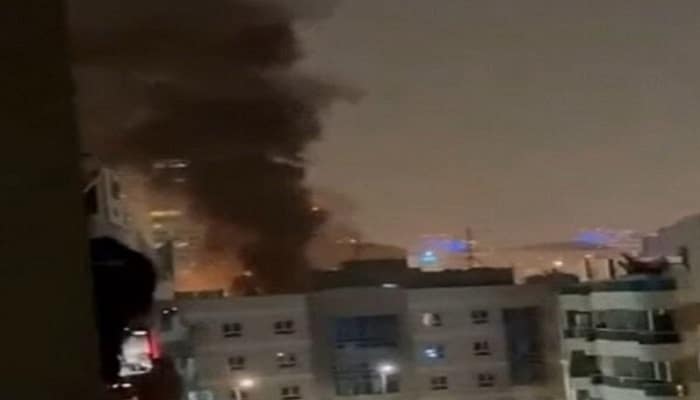
PNN – Dubai hotels have faced an unprecedented slump in the wake of escalating regional tensions, raising concerns about the security of investment in the emirate.
According to the report of Pakistan News Network; following the aggression of the United States and the Zionist regime against Iran and the participation of some regional countries such as the UAE in this aggression, Iran has given harsh responses to the aggressors.
The UAE, which has attracted foreign investors with the dream of security, is considered one of the biggest losers in this war.
Following the Iranian attacks, the escalation of the regional war, and the increase in insecurity, the tourism market in Dubai has faced an unprecedented decline, which has led to a sharp decrease in the price of accommodation in hotels in the city.
According to surveys, this trend is not limited to luxury hotels, but has also extended to other levels of accommodation.
Tourism experts believe that this sharp decrease in prices is a sign of a significant drop in tourist arrivals and capital outflows from this sheikhdom.
According to these sources, the UAE government has imposed restrictions on hotel closures in order to prevent a deepening recession and maintain the appearance of economic stability, which has forced owners to offer heavy discounts to attract a minimum number of customers.
The root of this situation is the recent security developments and the consequences of participating in tensions and hostile actions against Iran.
Dubai, which has always presented itself as a safe and stable destination for tourists and investors, is now facing a serious challenge in maintaining this image.
In such circumstances, many tourism industry activists warn that a return to the boom era is unlikely in the short term. The decline in the confidence of tourists and investors, especially in the current uncertain climate, could have long-term effects on the city’s economy.
Dubai, which has benefited from the region’s relative stability for years to attract capital and tourists, now seems to be facing the direct consequences of geopolitical changes; a situation whose revival will require a serious review of security and regional approaches.