
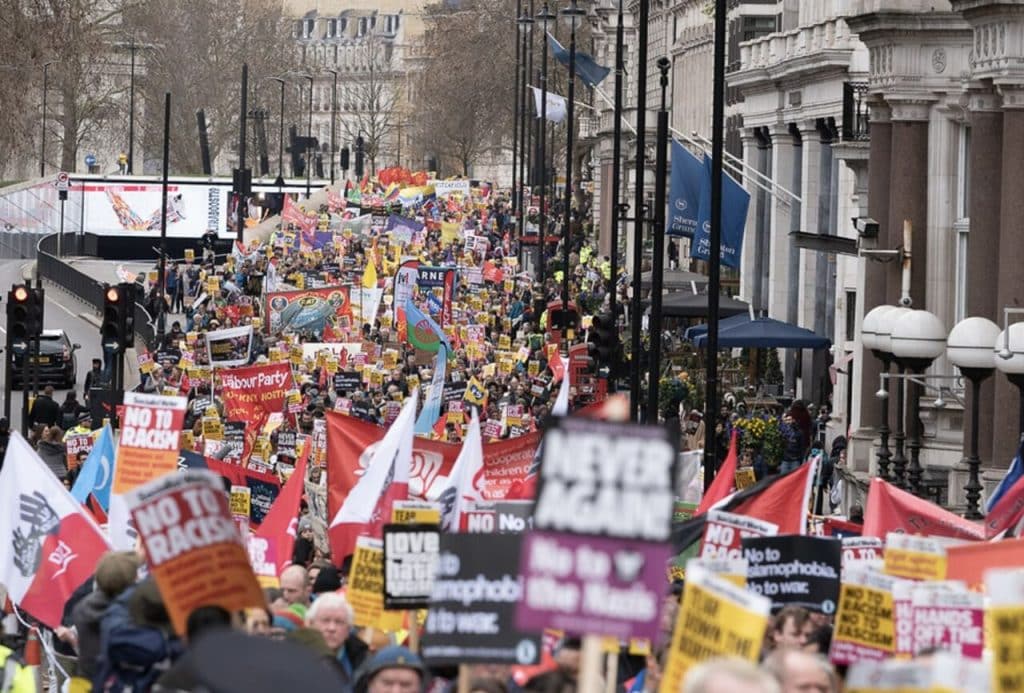
Europe 2025: Islamophobia surges, human rights protections falter.
The European Union Agency for Fundamental Rights (FRA) has announced in its latest report that the volume of documentation related to hate crimes, hate speech and discrimination against Muslims in Europe has reached a level that requires regular monitoring and stronger support mechanisms. The database covers a range of court cases and reports from legal and human rights institutions, and emphasizes that Islamophobia does not only manifest itself in the form of violent street attacks, but is also reproduced in everyday discrimination and administrative mechanisms.
In the same vein, official reports and conclusions of the European Union show that the experience of discrimination and racial harassment against Muslims remains persistent and increasing in many member states, and Muslim women in particular are more vulnerable than others to insults, exclusion from job opportunities, and social pressures due to the veil and recognisability of their religious identity.
The EU Fundamental Rights Report 2025 also cited survey data, stating that feelings of discrimination among Muslims have grown alarmingly, and that a significant proportion of victims refrain from reporting due to distrust or fear of consequences.
In England, in 2025, anti-Islamic hatred, which had been on the rise since the previous year, surged and became a serious political and social challenge, extending from the street and cyberspace to schools, workplaces, and public services.
Hate crime watchdogs announced that the number of reports registered had reached its highest level in recent years, and the increase in cases was not limited to verbal insults, but threats, street harassment, and symbolic destruction of religious sites or symbols had also become more prominent in some areas.
At the same time, reports showed that some victims, especially Muslim women, refrain from filing formal complaints due to concerns about social and career consequences or distrust of the investigation process, and this issue intensified discussions about the gap between official statistics and the true dimensions of the phenomenon.
The issue of combating Islamophobia also became the focus of attention in the British Parliament at one point, and a group of members of the House of Commons from different parties called for the recognition of a specific definition of Islamophobia to allow for more accurate monitoring, more coherent policymaking, and a clearer approach in the educational and administrative systems.