
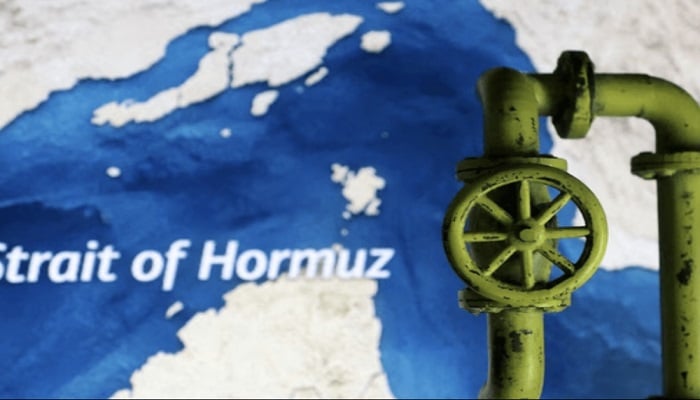
PNN – Regarding the blockade of the Strait of Hormuz, which the US President has threatened after negotiations with Iran failed, a former Israeli military intelligence officer said: There are no easy solutions to the Iran issue.
According to the report of Pakistan News Network; Danny (Dennis) Citrinovich, who headed the Iran branch of the Israeli military intelligence agency’s research department and is known as an analyst of regional issues, said that there are no easy solutions to the Iran issue regarding the blockade of the Strait of Hormuz, which the US president has threatened after negotiations with Iran failed.
Regarding the counterproductive effect of such an action on controlling and lowering global oil prices, he said: Attempts to limit Iran’s oil exports will result in a sharp reaction from Tehran, the most important of which is an attempt to disrupt or stop maritime traffic in the Strait of Hormuz. Such an action will cause a jump in global oil prices and will have immediate and widespread consequences for the international economy.
According to Citrinovich, a naval blockade, which is often proposed as an alternative, is not a magic solution and would require US forces to operate in close proximity to Iran’s coastline, which would put them at significant risk.
Acknowledging Iran’s capabilities, he said that Iran’s geographic size and military capabilities meant that sustaining such an operation would require a significant, long-term commitment of American resources.
“Most importantly, there is no reason to believe that a blockade will force Iran to surrender,” he argued. The resilience Iran has shown so far suggests otherwise; it will absorb the pressure and respond, possibly through military action, to re-establish deterrence.
He said in conclusion of his analysis: So the likely outcome is not a decisive breakthrough. The economic pressure on Iran will intensify, but so will the pressure on global markets and regional stability, especially given the pivotal role of the Persian Gulf in global energy flows. The Atlantic Council senior fellow concluded by asking, if this approach (the blockade) was truly decisive and effective, why wasn’t it pursued earlier?
In his first reaction to the failure of Islamabad’s talks and its request and efforts to reopen the Strait of Hormuz, US President Donald Trump said on his Twitter account that the US Navy will soon begin the process of “blocking the Strait of Hormuz.”
He described the move as a response to Iran’s failure to commit to reopening the Strait of Hormuz as part of a two-week ceasefire. Iran has stated that the situation in the Strait of Hormuz will not return to the way it was before the war and stressed that safe passage for ships is still possible with Iran’s permission and coordination and payment of tolls.
Yesterday, during the Islamabad talks, an Iranian official told CNN that there will be no change in the situation in the Strait of Hormuz until a common negotiating framework is reached, which is being hindered by American exaggeration.