
PNN – From the reduction of working days in the Philippines to the elimination of gas-intensive dishes in Indian restaurants, the economic consequences of the US-Israeli war on Iran have reached around the world, with the International Energy Agency describing it as the largest supply disruption in the history of the global oil market.
According to the report of Pakistan News Network, with the start of the US-Israeli war against Iran, Tehran took countermeasures that, in addition to missile and drone attacks, also imposed strict policies on the traffic of ships and oil tankers in the Strait of Hormuz. Now, while Europe and the United States are preparing themselves to face the economic and energy consequences of this crisis, billions of people in other parts of the world, especially in Asia, are already feeling its heavy effects in their daily lives.
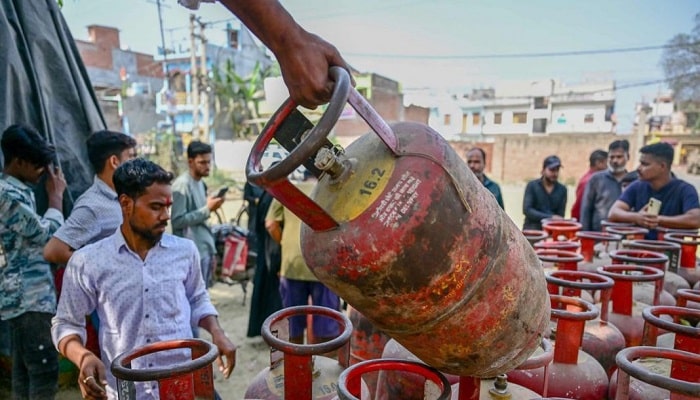
- Restaurant menus are getting smaller across India
Sagar Daryani, president of the Indian Restaurant Association, which represents 500,000 restaurants, says the sector is operating under severe pressure, with businesses reducing opening hours, reducing menus and relying on temporary solutions to stay open. It is estimated that about a third of restaurants have been seriously affected.
India’s rupee fell by its biggest in four years on Friday as concerns about the sharp rise in the cost of oil and gas imports due to the war slowed economic growth in the country, which imports nearly 90 percent of its oil and half of its gas.
- Cancellation of hotel reservations in Thailand related to tourism
Suvarin Nantaya of Chiang Mai Trekking said that at this time of year they usually receive 30 emails a day from tourists booking tours, but since the war began that number has dropped to three a day, and many previous clients have cancelled their trips. Hotels, restaurants, souvenir shops and massage parlors have all been affected, he said.
Thailand’s tourism ministry has predicted that an eight-week closure of airspace – considered a worst-case scenario – could result in a loss of 600,000 foreign tourists and a loss of 41 billion baht (£934 million).
- Gasoline rationing with QR code system in Sri Lanka
At a gas station in Colombo, a long queue of tricycles, cars and motorbikes had formed since 5:30 a.m. Sri Lanka has returned to a QR code fuel rationing system introduced during the 2022 economic crisis.
Sri Lankan driver Nishanka Lakshman said: I arrived at the gas station at 4:30 in the morning. They only give 15 liters for a whole week, but I need 6 to 9 liters a day to make ends meet. This is my only income.
- Sharp increase in airfare prices in South Africa
FlySafir said jet fuel prices at South Africa’s coastal airports had jumped 70 percent in a week. The company has imposed a “fuel surcharge” until May 12. The South African Reserve Bank has been forced to revise its forecasts for this year.
- The disappointment of chip lovers in Japan
From drivers facing record gas prices to potato chip lovers deprived of their favorite snack, people in Japan are feeling the effects of the oil shortage. Yamayoshi Shika has halted production of its main potato chip line due to problems supplying heavy oil to oil-fired boilers. The affected products include “Wasabeef” (a blend of wasabi and beef extract), which has sparked outrage on social media. “I never imagined the closure of the Strait of Hormuz would lead to the halt of wasabeef production!” wrote one user.
- Consequences beyond energy: Vital food and chemicals are trapped in the Persian Gulf
Governments around the world have taken emergency measures to deal with the fallout from the war and the blockade of the Strait of Hormuz. Several countries are trying to ease the burden on their citizens by cutting energy taxes, but Spain has gone further, approving a €5bn (£4.3bn) package to help people through the economic turmoil and has also launched a rent freeze scheme.
However, the congestion in the Strait of Hormuz is not limited to oil and gas. The crisis has disrupted the supply chain for grains, construction materials and chemicals used in everything from perfumes and cosmetics to industries as diverse as cosmetics. AXSMarine data shows that 1,541 ships are stuck on both sides of the strait. These include 26 ships carrying 1.4 million tonnes of bauxite, limestone, sand and sulphur, 18 ships carrying grains (mainly corn) and 19 ships carrying fertiliser raw materials including urea and phosphate.
- “Shock after shock” for Asian food production
The Food and Agriculture Organization of the United Nations (FAO) has warned that the Middle East war is delivering a major shock to food systems. It estimates that global fertilizer prices will be 15 to 20 percent higher on average in the first half of 2026 if the crisis continues. Intensive agricultural economies in Asia have been hit hardest. Thailand and India, both major exporters, rely on the Persian Gulf for about 35 percent of their fertilizer. Bangladesh is even more vulnerable, sourcing 53 percent of its fertilizer from the region.