
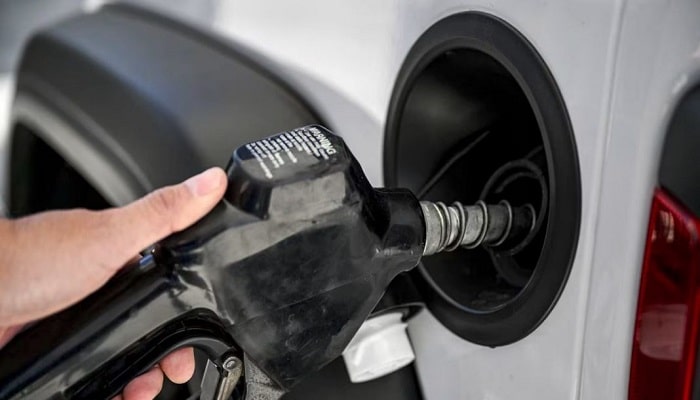
PNN – The price of a gallon of regular gasoline in the United States rose another 5 cents on Wednesday, on average, and is now at $3.84 per gallon, the highest price since September 25, 2023.
According to the report of Pakistan News Network, Gasoline prices now average $4 or more in seven states and have exceeded $5 per gallon in California, Hawaii and Washington.
The average price of gasoline nationwide has increased by 86 cents in just 18 days — a 29 percent jump — making it one of the fastest increases in gasoline prices on record.
This rapid price jump, on a percentage basis, is comparable to the gasoline price shock during Hurricane Katrina—when the storm hit the Gulf Coast in the summer of 2005 and shut down U.S. oil refining operations.
“If gasoline prices stay at roughly the same level throughout the year, it will add $100 billion in additional costs to the economy,” said Gus Fuchs, chief economist at PNC Financial Services Group.
This price surge has occurred in response to Washington and the Zionist regime’s war against Tehran and the almost complete closure of the Strait of Hormuz, a vital waterway off the southern coast of Iran that normally carries 20 percent of the world’s oil.
The US-Israeli war against Iran and Tehran’s attacks on occupied territories and Washington’s bases in the region have virtually halted shipping in the strait, leading to a crisis that the International Energy Agency has called the largest disruption to global energy supplies in history.
Efforts to calm markets have so far failed. Last week, dozens of countries announced the largest-ever release of oil from their strategic reserves. But the upward trend in oil prices suggests that the amount of oil entering the market through these channels is tiny compared to the volume of oil lost to the conflict.
Fuel prices have risen worldwide following the US-Israeli war against Iran, with around a hundred countries reporting increases in gasoline prices since the conflict began in late February.
Donald Trump’s proposal has not met with a positive response so far, and none of the countries he has named to ask for help have publicly committed to deploying their navies to secure the Strait of Hormuz.
According to the British Maritime Trade Operations Office, around five ships have passed through the strait every day since the war began, compared to a historical average of 138 ships per day.
According to the organization, at least 16 commercial ships have been attacked in the region since the war began on February 28.
Trump has repeatedly said that he is willing to deploy the US Navy to escort commercial ships through the Strait of Hormuz if necessary.
However, US Energy Secretary Chris Wright said in an interview with CNBC last Thursday that the US Navy is not prepared to escort oil tankers through the Strait of Hormuz.