
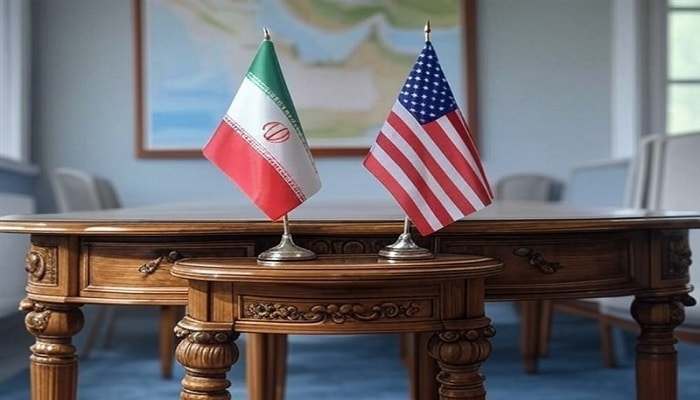
PNN – Indirect talks between Iran and the America will soon be held in one of the countries in the region.
Initial news indicates that indirect talks between Iran and the United States will soon be held in one of the countries in the region. But regardless of where and when these negotiations are held, there are several important points to note about the principle of the US’s current announcement of a return to negotiations:
1- Through their military attack against the Zionist regime in June and July of this year, the snapback, the recent sedition and quasi-coup, as well as repeated military threats and even the heavy transfer of military equipment and tools to the region, the Americans were trying to either change the Iranian regime or surrender the existing regime.
However, the complete failure of these measures led the US to talk about returning to the path of negotiations. Therefore, the first message of “talking about negotiations” is “failure to achieve military goals” and “failure to plan a quasi-coup.”
2- Within the framework of demanding surrender, the Americans spoke of issues such as “negotiations on missiles,” “negotiations on regional issues,” “negotiations on Iran’s internal conditions,” and “zero enrichment” as conditions for negotiations with Iran.
3- What has actually happened is forcing America to return to the negotiating table. Iran was also present in the negotiations before the 12-day war; America began the turbulent period with the idea that it could achieve something higher than the concessions at the negotiating table through military means and sedition; but what could its return to zero mean? Except that failure in other projects has forced them to return to negotiations?
4- Some analyze that negotiations could be a deception; that America could also intend to deceive can be confirmed at any time; but the problem here is that Iran’s military forces are also fully prepared. America knows that it must take the option of surrender off the table; on the other hand, changing the political structure in Iran requires a large-scale war on the part of those who do not have the capacity to do so, and on the other hand, even if a large-scale war were to occur, they cannot hope for such a prospect. So its only real option is a limited military conflict to weaken Iran; but the tricky question facing the US and Israel is whether Iran will allow the war to remain as limited as the US wants.
The official threat of the Supreme Leader of the Revolution that if the Americans start a war, this time it will be a regional war is a clear answer to this issue.
This makes the option of limited combat for the Americans also accompanied by ifs and buts.