
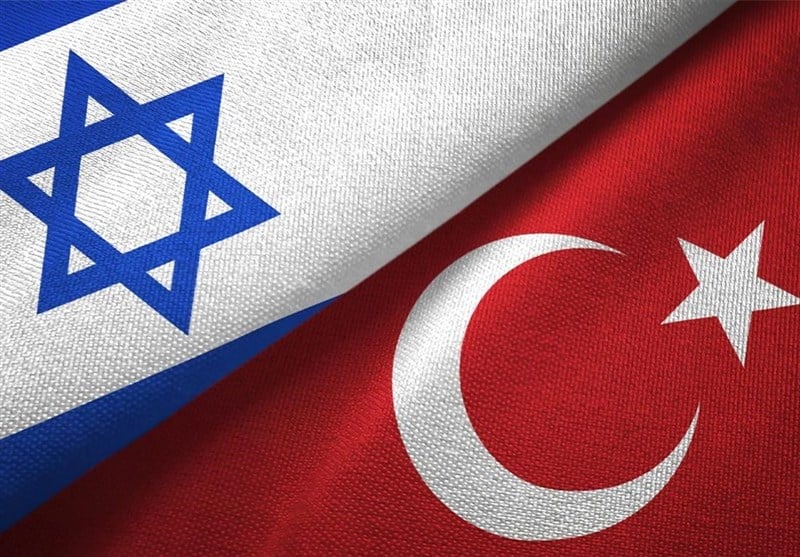
Is the Israel-Turkiye breakup forever?
These days, many analysts and political observers in Turkey are talking about the possibility of new changes in the country’s foreign policy. They say that, given the content of the US National Security Strategy document for 2025, the Erdogan team is looking for ways to engage more with the US in the region and, at the same time, wants to fill part of the void left by the US’s absence.
Ankara officials also have another concern, which is the attempt to have Turkish soldiers present in Gaza as part of a peacekeeping force. So far, the Zionist regime has opposed this Turkish request. But Erdogan’s team hopes to achieve new results in this game through US and Arab mediation.
One of the complex aspects of this equation is that the Zionist regime’s occupying presence in Syria is also problematic for Turkey. However, Ankara officials are trying to avoid turning this issue into a fundamental challenge, taking a calm, pragmatic approach. In such circumstances, some Turkish analysts take a pragmatic view of the relationship with the Zionist regime, while others warn about the challenges and consequences.
Mehmet Oğutçi, a retired ambassador of the Turkish Foreign Ministry and current president of the Energy Club in London, has examined the challenges that the Erdogan government faces in strengthening Turkey’s relations with the Zionist regime and what issues it should consider.
We will review parts of Oğutçi’s analysis together and then evaluate his views:
Will the rupture in Turkey-Israel relations be permanent?
Mehmet Oğutçi believes that, for many reasons, we cannot expect a lasting rupture between Turkey and the Zionist regime.
He says: “Relations between Turkey and Israel are perhaps going through one of the most challenging periods in modern history. The humanitarian catastrophe in Gaza, Israel’s increasingly aggressive military strategy in Syria, the anti-Turkish alliance it has built with Greece and Cyprus, and the increasing pressure on Ankara’s national interests by some Jewish lobby groups in the United States are all parts of a bigger picture. A picture in which Turkey continues to recognize Hamas as a resistance group and has halted $9 billion in trade with Israel. Now, a kind of political freeze has set in between Turkey and Israel. But despite all this, one fundamental truth remains unchanged: Turkey and Israel have known each other for a long time and are inseparable. Turkey was the first Muslim-majority country to recognize Israel. For decades, an unparalleled cooperation in defense, intelligence, technology, agriculture, and regional crisis management has developed between the two sides. The doors opened in Turkey to Jews fleeing the Spanish Inquisition and Nazi persecution hold an important place in the history of this relationship. “Even in the most acute moments of crisis, the architecture of this relationship has never completely collapsed. Defense, intelligence, and trade ties have rarely been severed.”