
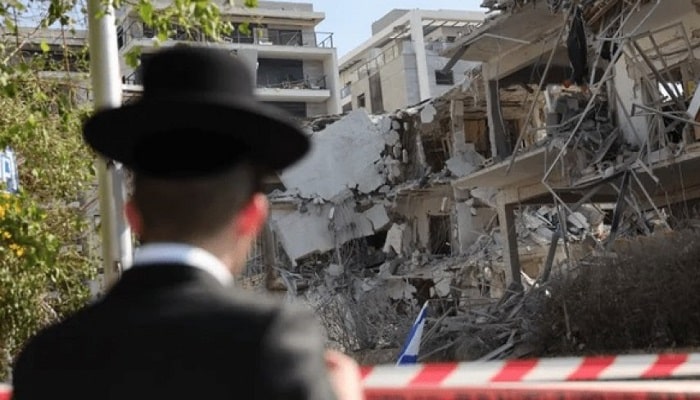
PNN – Recent reports and warnings in the Israeli media indicate that any military confrontation with Iran could have “difficult” and unprecedented consequences for the Israeli economy.
As speculation about the possibility of tension in the Middle East has intensified, Israeli media, including the Hebrew network i24news, have warned of the economic consequences of such a scenario.
According to the network, the discussion is not simply about a conventional war, but rather a “direct blow to Israel’s economic arteries”; a blow that begins with the closure of ports and airports and continues to reduce foreign investment and increase insurance costs.
Economic experts who spoke to this media outlet emphasize that any widespread exposure would lead to “relative paralysis” of key sectors, especially aviation and foreign trade.
Sudden increases in transportation and energy prices quickly reflect in the domestic market and exacerbate inflationary pressures. According to these experts, the first victims of the war will be the “home front”, where the shutdown of thousands of factories and small businesses could result in losses worth billions of shekels (the Israeli currency) within a few days.
The “i24news” network wrote in its summary: In Tel Aviv, the equation is clear; even if the blow is American, the ultimate Israeli factor. From this perspective, the discussion of war with Iran has gone beyond a purely military option and has become a “high-cost economic gamble” that could change the face of the Israeli economy for years.
Israel has faced numerous security and economic shocks in recent decades, from regional wars to short-term conflicts, each of which has caused disruptions to tourism, investment, and trade.
However, experts emphasize that a direct or indirect confrontation with Iran as a regional actor with military capabilities and a network of allies could have a much broader scope.
Sources introduced by anti-Iranian media outlets, citing Western sources, have spoken of the imminence of a “possible event” and claimed that the main disagreement is over “timing.”
On the other hand, Iranian President Masoud Pezishkiyan has warned that a war between Iran and the United States “will not be in the interest of either side or the Middle East region.”
These statements come at a time when the media and political atmosphere in the region is more than ever filled with costly scenarios whose consequences target the economy beyond the battlefield.