
Pakistan’s Army: Navigating External and Internal Security Challenges.
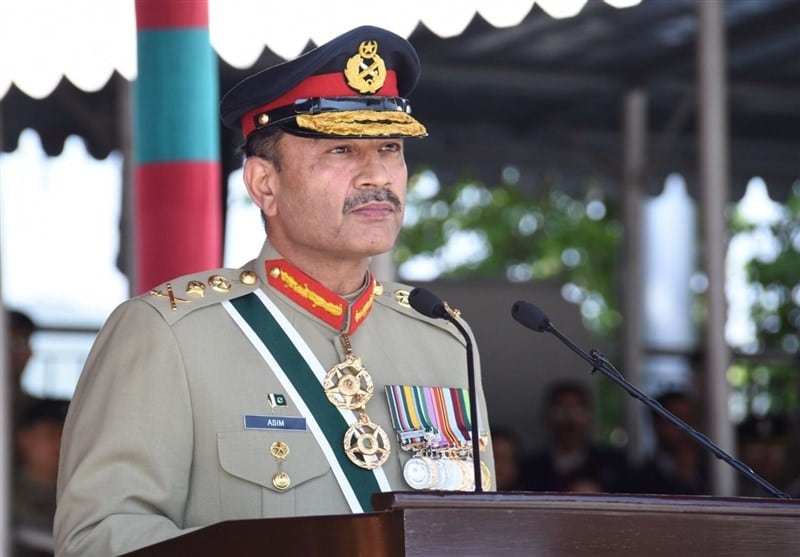
Pakistan’s army chief, Field Marshal Asim Munir, is set to visit Washington in the coming weeks for the third time in six months to meet with US President Donald Trump.
The main focus of the meeting will be Trump’s 20-point plan for Gaza, which calls for a force of Muslim countries to oversee the transition, reconstruction and economic recovery of the war-torn region, sources told Reuters.
According to the plan, the force would also carry out sensitive missions, including disarming Hamas, a mission that many Muslim countries are wary of, as it could draw them directly into a complex conflict and inflame pro-Palestinian and anti-Zionist public opinion within their countries.
Meanwhile, Pakistan, as the only Muslim country with nuclear weapons and a military with experience in conventional and asymmetric warfare, has come under more scrutiny than others. Analysts say Pakistan’s military might has put pressure on Munir to play a role in the mission, a pressure that has increased as Islamabad seeks to improve relations with Washington and attract US investment and security assistance.
However, the Pakistani military faces serious challenges at home. The country is engaged in a war of attrition with militants who Islamabad claims operate from Afghan soil. Tensions with the Taliban, border clashes and increased attacks by the Tehreek-e-Taliban Pakistan (TTP) are also part of Pakistan’s current security realities, limiting the military’s ability to focus on foreign missions.
On the other hand, the risk of domestic backlash is also serious. Anti-American and anti-Israel Islamist movements in Pakistan have a high capacity for street mobilization. Analysts warn that the military’s participation in a mission defined under a US-backed plan could lead to widespread protests and even reinforce the narrative that the Pakistani military is “implementing Israeli dictates” – a narrative that would be costly for the country’s internal stability.