
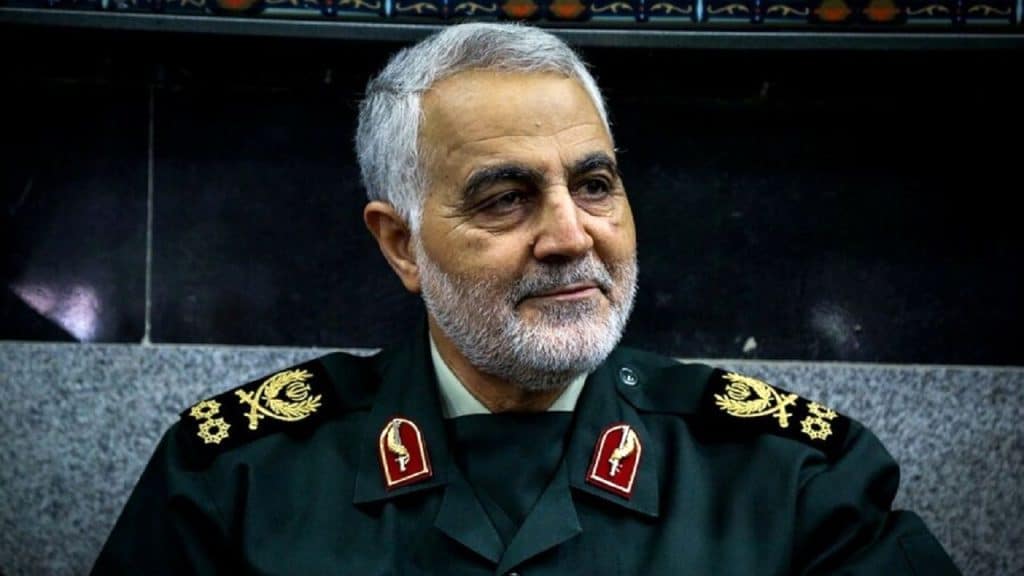
Soleimani architected regional security; Quds remains the Islamic world’s central aspiration.
The late commander of the Quds Force of the Islamic Revolutionary Guard Corps, the martyred Mujahid Hajj Qassem Soleimani, is considered one of the most influential figures in the contemporary history of the Islamic world. He is known not only as a brave military commander and outstanding strategist, but also as a symbol of just resistance, lasting peace, and regional security.
With a deep understanding of trans-regional threats and the conspiracies of global arrogance, Soleimani devoted all his strength to confronting Takfiri terrorism, Zionist occupation, and the influence of hegemonic powers.
His approach was based on the principle that the security of Iran and the region can only be ensured through active resistance, Islamic unity, and empowerment of oppressed nations.
This report examines three main axes of the activities of Martyr Soleimani: his role in ensuring peace, security, and stability in the region, his deep concerns about the Palestinian issue, and his continuous emphasis on the necessity of unity among Muslims.
The Role of General Soleimani in Ensuring Peace, Security, and Stability in the Region
Qassem Soleimani considered security a transnational phenomenon and believed that Iran’s stability depended on the security of neighboring countries and the West Asian region.
By commanding the Quds Force, he formed a broad front in the region against ISIS terrorism and succeeded in saving the nations of Iraq, Syria, Lebanon, Yemen, and even Afghanistan from falling completely into the trap of the occupiers and Takfiris. These efforts not only saved the lives of millions of innocent people but also prevented insecurity from spreading to Iran’s borders.
In this regard, “Colonel Aziz Rashid,” deputy spokesman for the Yemeni Armed Forces, “Martyr Soleimani established joint security cooperation among the axis of resistance and formed a united front against external threats, reduced the influence of the United States and the Zionist regime in the region, and created a long-term strategy in this regard.”