
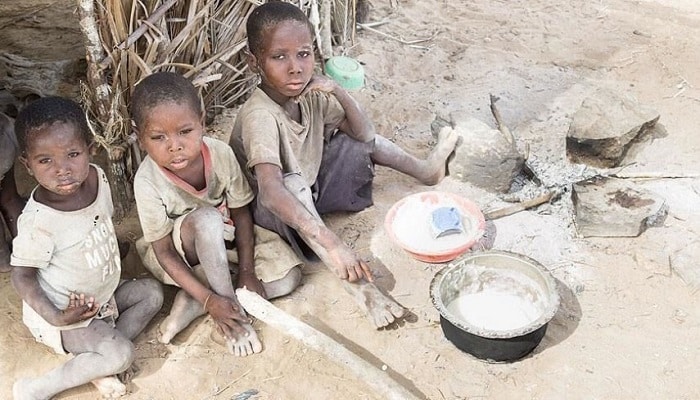
PNN – In Sudan today, war is no longer confined to land and cities; the psyche and identity of future generations are also vulnerable under its shadow. Children, silent witnesses to the violence, often without family, security and hope, struggle to survive amid bombing, siege and kidnapping. The recent experience in El Fasher is a painful and tangible example of this crisis.
Testimonies from local residents and eyewitnesses indicate that after killing the children’s parents, the Rapid Support Forces abducted them and forced them to do livestock herding or domestic work. These acts are not simply individual violence; they are part of an organized and systematic pattern; a pattern that deprives generations of security, education, and healthy development, and leaves the collective psyche of society deeply traumatized.
Research and testimonies show that children are not only the physical victims of war; they are victims of the “timelessness of war.” Human time has stopped for them: Children who should grow up in play and school witness violence and death in their families. Childhood has been replaced by fear and survival, and even temporary peace, without psychological and social reconstruction, is just a meaningless word; a peace that has shattered all peace.
The psychological consequences of this violence are not individual; they are social and collective. The abducted children and those who witnessed the killings and violence will continue to shape society’s future psychological and social burden. Anxiety, depression, fear, and lack of trust are shaping the next generation of Sudanese and complicating the reconstruction of society. These abductions and forced use of children constitute a form of “modern slavery” and a flagrant violation of human rights, constituting a war crime and a crime against humanity under international law. These actions threaten not only the future of children, but also the moral and human foundations of Sudanese society.
The crisis for Sudan’s children also reflects the failure of the international community and international organizations. Courts are investigating, but effective practical action to prevent the recurrence of such violence is still insufficient. The children of this land are abandoned, between global oblivion and internal violence.
However, the story of the Middle East, and Sudan in particular, is not just a tale of disaster. Behind every siege and bombing, man rediscovers the meaning of life through patience, hope, and life experience. The resilience of these children, mothers, and teachers is a vital layer that is often overlooked; where the collective psyche is rebuilt and generations are given a chance to live again.
The main question is not just who will win the battle; it is:
If politics cannot protect the human psyche, if the media cannot represent the suffering of children, what is left of humanity?
The kidnapped generations, the children who witness the murder of their parents, and the children who grow up amidst siege and violence, are living warnings of the world’s moral and human failure. If we fail to protect them, not just the land and cities, but the soul and human future of Sudan will collapse in the shadow of war and global indifference.