
Tense week in Asia: Civil unrest and regional diplomacy.
These days, the Asia-Pacific region is more like a living page of continuous developments, where calm has given way to dense news, and the distance between crisis and diplomacy is shorter than ever. From political movements in the heart of the continent to insecurities and tensions in the east and southeast, the signs point to an era when decisions and events are simultaneously shaping the region’s future course.
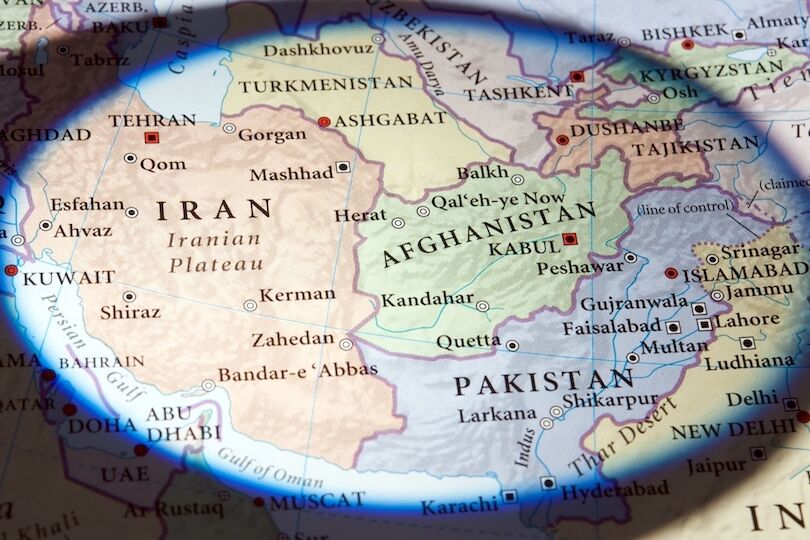
With the holding of Iran-Uzbekistan trade meetings in Tashkent, he wrote: Bandar Abbas has become one of the key points in Iran’s transit and economic strategy in recent years, and its position in cooperation with Central Asian countries, especially Uzbekistan, has become more prominent than ever. The port’s access to open waters and its connection to land and rail transportation networks have provided a strategic opportunity for the landlocked countries of Central Asia to diversify their trade routes and make them more cost-effective.
In this context, Tashkent’s view of Bandar Abbas as the main gateway to regional and trans-regional markets suggests a shift in Uzbekistan’s approach towards utilizing Iran’s logistics capacities. This approach, in addition to strengthening bilateral relations, can further enhance Iran’s role in the North-South and East-West transit corridors.
The emphasis of the two countries’ officials on developing port, transportation, and logistics cooperation indicates that Bandar Abbas is no longer just a commercial port, but has become a strategic hub linking Iran’s economy with Central Asia; a hub that can pave the way for expanding trade, increasing exchanges, and deepening long-term economic cooperation between Tehran and Tashkent.
Meanwhile, the announcement of a new electricity rationing program in Uzbekistan due to severe energy shortages has once again highlighted the vulnerability of the country’s energy infrastructure.
Citing increased domestic consumption and production constraints, Tashkent officials have announced the implementation of planned restrictions on electricity supply, an issue that could also affect the country’s industrial sector and supply chain.
This situation doubles the importance of Uzbekistan’s access to secure transit routes and regional cooperation; In particular, expanding cooperation with Iran and utilizing capacities such as Bandar Abbas can help diversify import routes for energy, equipment, and strategic goods. From this perspective, linking port and transit cooperation with Uzbekistan’s energy challenges shows that economic relations between Tehran and Uzbekistan are not limited to trade in goods, but are moving toward meeting the strategic and long-term needs of both sides.
Islamabad’s Political Message to Tehran
The developments of the past week in South Asia show that this region is once again at the crossroads of diplomacy, insecurity, and social unrest, where political messages are exchanged at the highest level while violence, terror, and protests complicate the path of change in the field.