
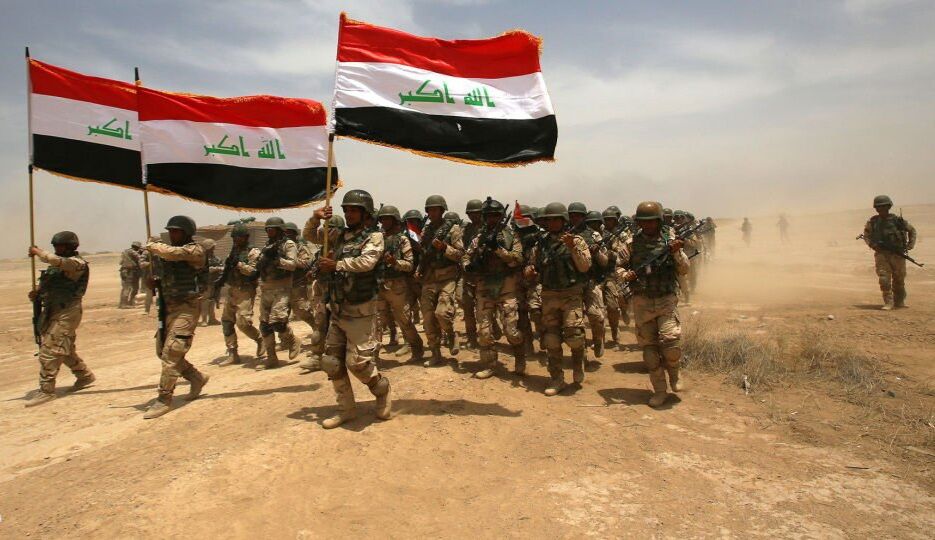
The Eighth Anniversary of Iraq’s Victory Over ISIS.
According to the Iraqi News Agency (INA), December 10th (December 19) marks the eighth anniversary of the complete liberation of Iraq from the clutches of the ISIS group; a day when all government institutions, security forces, and the Iraqi people joined hands to play a lasting role in confronting terrorism.
In this regard, the Iraqi government has declared tomorrow a public holiday.
Eight years ago, the Iraqi security forces carried out a massive operation to liberate the occupied areas, and on December 10th, the lands were again under the control of the government.
In this context, the Jihad al-Kifai fatwa issued by the Supreme Religious Authority in Najaf became a turning point in Iraqi history. This fatwa mobilized the people and created widespread participation from all groups in supporting the security forces.
In this regard, Saad Maan, head of the Iraqi security media department, announced: “The Jihad al-Kifai fatwa changed the course of the operation from a defensive to an offensive mode and strengthened national morale, and tens of thousands of people volunteered to support the security forces.”
Referring to the role of the people in the liberated areas, Maan said: “The residents of these areas provided their vital information to the security forces, and popular and tribal groups also participated in confronting the terrorists. This cooperation made the security forces’ operations faster and more effective.”
ISIS attempted to create fear, suppress, and change local social identity in the occupied areas, but it was met with widespread resistance from the people. Maan emphasized that “Iraqi society adheres to its values and identity, and no extremist or foreign project could make the people surrender.”
Iraqi security expert Fadel Abu Ragheif also stated in this regard: “After the defeat of ISIS, Iraq’s social cohesion was restored, especially in the northern and western regions of the country. Many tribes returned to their areas, and with the restoration of social relations, the spirit of solidarity and nationalism was strengthened.”
He added: “The fatwa of Jihad al-Kifa’i played a fundamental role in mobilizing popular forces. The blood of martyrs from all groups on the battlefield reduced ethnic differences and strengthened national unity.”
Abu Raghef emphasized: “The supreme religious authority, led by Ayatollah Seyyed Ali Sistani, played a pivotal role in mobilizing and uniting the people. The call for jihad mobilized more than three million people to defend the country and created a broad wave of popular support.”
Iraqi political and military analysts also emphasized that the experience of confronting ISIS was one of the most important turning points in Iraq’s contemporary history, strengthening security institutions, including the Popular Mobilization Forces, and rebuilding social cohesion.