
PNN – A Zionist media outlet predicted that the cost of Israel’s war against Iran would exceed 70 billion shekels.
According to the report of Pakistan News Network, Gad Lior, an expert and commentator on economic issues in the Yedioth Ahronoth newspaper, recently admitted in an article published in this Hebrew-language media outlet that the war factor is becoming heavier for Israel by the minute, while we are currently talking about its direct costs and have not mentioned the consequences of this war on the economy, such as reduced growth, increased inflation, and capital flight.
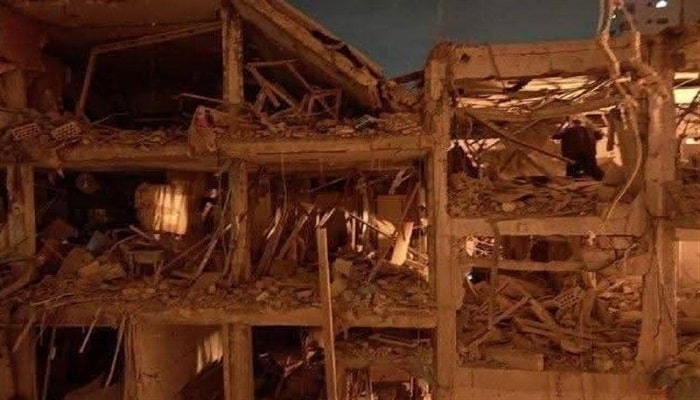
The article states: The military cost has exceeded 50 billion shekels, and the direct civilian cost has reached almost 10 billion shekels. This is in addition to the direct and indirect damages from the still-uncalculated rocket attacks that have occurred on more than a thousand fronts during the past forty days of war, as well as the severe indirect damages caused to businesses that have been and will continue to be closed as a result of these attacks.
The war with Iran, which began in June last year and lasted just 12 days, cost the Israeli military and economy approximately 22 billion shekels. It should be noted that not all compensation for missile damage from the previous war has yet been paid to the victims, and the final costs are estimated to be around 25 billion shekels.
The current war has also been more costly due to the prolonged nature of the war and its high daily costs.
The war against Hezbollah has also become more costly, especially with the recent intensive military incursion into Lebanon.
Furthermore, the Israeli army still controls 52 percent of the Gaza Strip since the ceasefire of October 13, 2015, at a daily cost of tens of millions of shekels.
The cost of a day of fighting: 1 billion shekels
According to calculations by the Office of the Financial Advisor to the Chief of Staff (Israeli Army), the average daily cost of the war during the recent operation (the recent aggression against Iran) was approximately 1 billion shekels. In the first two weeks, as attacks on targets in Iran intensified and widespread rocket fire was encountered throughout (occupied Palestine), this cost reached about 1.8 billion shekels per day.
However, before the Israeli military conflict in Lebanon, this cost had fallen from one billion shekels per day to about 800 million shekels per day. Since the invasion of the Lebanese soil, this cost has returned to approximately one billion shekels or more per day.
This cost includes the mobilization of tens of thousands of reservists, the use of ammunition, the reduction of military equipment, the treatment of casualties, and other costs, the details of which are prohibited from being disclosed, including the use of new and expensive types of weapons.
After the holidays, a meeting is expected to be held with the prime minister, along with the finance and defense ministers, to determine the amount of the budget increase to be allocated to the defense establishment after the recent war. The army is requesting at least another 15 billion shekels, including another 7 billion shekels that have been missing from the Defense Ministry’s reconstruction department in recent months due to the increase in the number of casualties and payments to the families of the victims since October 2023.
Providing this amount would require one of two options or a combination of them: increasing the government budget deficit from 4.9 percent to 5.6 percent or part thereof, and reducing the procurement and development budgets of all service ministries by between 2 and 3 percent.
In addition, some national projects are expected to be postponed, including the metro project, the construction of new government ministries in Jerusalem, and investments in roads and railways.
These budget amendments require a government decision and Knesset approval in three reading sessions, which are currently suspended until May 10.
As for the costs of the civil war, which, as stated, amounted to approximately 10 billion shekels, it is distributed as follows: approximately 2 billion shekels paid as compensation for direct damages; 7.5 billion shekels as compensation: approximately 7 billion shekels for the business compensation scheme and at least half a billion shekels for unemployment benefits; 50 million shekels for local authorities whose sites were severely damaged; 50 million shekels urgently transferred to settlements located on the northern front line during the holidays.
35 million shekels as special aid for farmers; 100 million shekels for local authorities as initial compensation for war-related expenses; 78 million shekels for local authorities to reimburse parents for after-school childcare costs; 60 million shekels transferred last month to local authorities on the northern front line for resilience and de-escalation measures; and 100 million shekels allocated for the recruitment of new police units.
To date, approximately 25,000 claims have been submitted to the Property Damage Compensation Fund, including approximately 16,000 claims for damage to buildings, 2,300 claims for damage to equipment and facilities, and 5,500 claims for damage to vehicles, in addition to hundreds of claims for other types of damage.
Of all the claims, approximately 5,000 were filed in Tel Aviv, approximately 3,500 in Beersheba, 2,200 in Arad, approximately 1,450 in Dimona, and over 1,000 in Beit Shemesh and Bet Tekfa.
Cost of War since October 7: Over 350 Billion Shekels
The Bank of Israel recently released data showing that the cost of the war from October 7, 2023, to the end of February this year has reached 352 billion shekels.
The central bank’s estimates now include the costs of the 40-day war on the Iran-Lebanon front, which resulted in a growth reduction of at least 1.5 percent.
Investments were also affected by the closure of entire sectors due to the war, such as tourism, culture, Purim and Passover celebrations, and entertainment venues. In addition, consumption fell by 40 percent during the war.
The Finance Ministry and the National Insurance Institute informed the Yedioth Ahronoth news website that they plan to pay most sick leave benefits (unemployment benefits of up to 70 percent of wages) to private sector employees who have been absent from work for 10 days or more, starting April 12.
It is worth noting that on April 1, employees in the formal sector received their full salaries, 100 percent of their usual March salary, from the first day of absence after the war, a move that drew widespread criticism from the business community.