
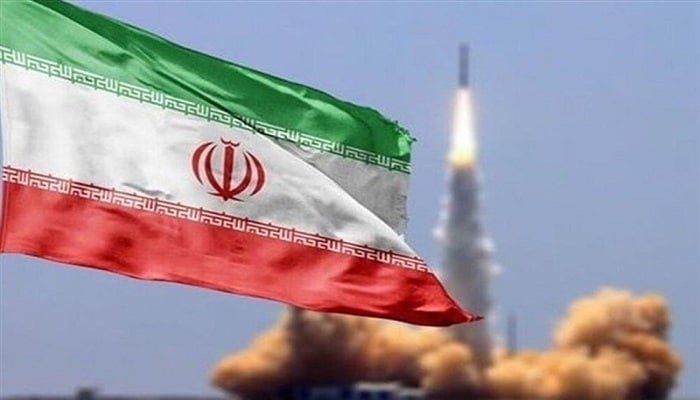
PNN – Hebrew circles, while acknowledging Iran’s multilateral achievements, emphasized that the outcome of this war is a strategic disaster for Israel.
According to the report of Pakistan News Network, after the announcement of a ceasefire in the region following the Americans’ surrender to Iran’s conditions, reactions within Israeli circles indicate deep pessimism about the results of the war, especially with the increase in criticism that has described it as a strategic disaster.
In this context, assessments by Hebrew sources reveal a political and military defeat that has strengthened Iran’s position and weakened Tel Aviv’s.
Strategic Disaster for Israel
According to Al-Akhbar, the temporary ceasefire, initially agreed between Iran and the United States with Pakistan as mediator, cast a heavy shadow over the Israeli political and military institutions, elites and media, and the common thread in the comments and revelations that followed this announcement was a widespread expression of despair, concern and a sense of defeat, and condemnation of shortsightedness, poor planning and implementation; to the extent that what happened was described as a strategic disaster that befell Israel, in addition to the exchange of accusations between institutions and officials.
This scene contrasts with the exaggerated expectations and hopes promoted and bet on by Zionist officials in the early days of the war, especially Benjamin Netanyahu, who repeatedly promised to “change the Middle East,” and Zionists believe that Netanyahu is trying to make his defeat look good.
Since the Hebrew media had adhered to military censorship orders during the war, which emphasized refraining from publishing anything that might benefit the enemy or weaken domestic morale, including limiting the expression of dissenting opinions, this adherence quickly diminished after the ceasefire was declared.
This was revealed in the emergence of a wave of strong criticism, all at once, especially in the light of the basket of clauses that were said to have been reached in the negotiation of a ceasefire between Tehran and Washington, far from Tel Aviv, and which was described in the Israeli media as “horrific.”
What was published in the Hebrew press yesterday reflected the sense of defeat that had gripped the Israeli collective consciousness, while the questions raised revealed the view of the Israeli elites towards the results of a war on which they had bet as an opportunity to escape an existential threat to Israel.
None of Netanyahu’s declared goals in the war with Iran were achieved
In this context, the Hebrew newspaper Haaretz raised a series of fundamental questions that can be summarized in a review of the goals that Israel declared at the beginning of the war and whether they were achieved.
The Haaretz article states that the Iranian regime remains intact, while the fate of some 440 kilograms of enriched uranium remains unclear and the ballistic missile program remains active. In fact, the goals outlined by Netanyahu in his speech last March, including “preventing Iran from acquiring nuclear weapons,” preventing the development of missiles that threaten the world, and creating the conditions for the overthrow of the Iranian regime, have not been significantly achieved.
The Zionist newspaper also addressed Israel’s position in the United States after the war, particularly in light of accusations that it had pushed Washington into an ill-considered confrontation.
In this context, an investigation published by The New York Times, based on revelations from circles close to US President Donald Trump, shows that senior American officials had described Israeli proposals for regime change in Iran as “irrational” and “nonsense”, which was seen as a major blow to Israel’s credibility in the United States.
Among other questions raised in Zionist circles was the adverse outcome of the war, as Israel had threatened to destroy the Iranian regime but had instead strengthened it.
Haaretz reported that the official recognition of Iran as a negotiating partner by the United States, and the granting of international legitimacy to it, would pave the way for the strengthening of Iran’s economic and military capabilities, meaning that Iran would emerge from the crisis stronger and able to rebuild its capabilities under a new international umbrella.
Iran’s Economic Gains after Winning the War
The Hebrew media outlet stated: Also, the economic gains that Tehran may gain as a result of the agreement, especially in light of talk of lifting sanctions, releasing frozen assets, and paying compensation, in addition to the cancellation of Security Council and International Atomic Energy Agency resolutions, and other previous measures that could provide the Iranian regime with enormous financial liquidity that it had been deprived of for years, are another adverse result of this war for Israel.
The article goes on to say that Iran could earn a huge amount of revenue from tolling ships through the Strait of Hormuz, amounting to $2 million per ship. This could bring Iran more revenue than its oil and gas revenues, and provide Tehran with a new strategic lever that was only a dream for the Iranian regime before Netanyahu ignited this failed war. This could elevate Iran to the level of an influential player in international politics and strategy, not just in the region.
Strengthening Iran’s deterrence in the face of Israel’s weakening
The Hebrew media also did not ignore questions about the level of deterrence between Iran and Israel, emphasizing: Iran’s deterrence level has increased and is increasing; while Israel’s deterrence against the enemy’s stability and immunity has been destroyed, even though Iran was simultaneously confronted with Israel’s capabilities and the capabilities of a great power, namely the United States, which was involved in the war.
According to Zionist analysts, Israel entered the war with expectations of achieving a quick and decisive victory, but was ultimately excluded from the negotiating table regarding its internal security, which is one of the most prominent negative consequences of this confrontation.