
PNN – In an analysis comparing current U.S. economic and political pressures on Iran to the economic blockade during the premiership of Mohammad Mossadegh, the Asia Times think tank writes that historical experience demonstrates that a policy of sanctions and external pressure does not necessarily lead to a change in Iran’s political structure. Furthermore, the Islamic Republic of Iran—possessing defensive capabilities, regional deterrence, and decades of experience in dealing with sanctions—finds itself in a position distinct from that of Iran in the 1950s.
According to the report of Pakistan News Network; the Asia Times website—in an analysis authored by Eric Lob, an expert on Iran’s international relations—notes that on November 8, 2026, U.S. President Donald Trump referred in a social media post to what he termed “the greatest naval blockade in history,” claiming that Iran’s commercial trade has been severely restricted.
This move is part of the Trump administration’s strategy—dubbed the “Iron Gate”—to intensify economic pressure on Iran; a policy ostensibly aimed at curbing the country’s economic capabilities and altering Tehran’s political calculus.
In the view of the author of this analysis, current developments are reminiscent of a period of confrontation between Iran and Western powers in the early 1950s—a time when, following the nationalization of the oil industry, Britain sought to pressure the government of Mohammad Mossadegh through the imposition of sanctions and an economic blockade.
Continuing its analysis, Asia Times notes the differences between the situation in Iran today and the era of the nationalization of the oil industry. It writes that the West’s policy of economic pressure against Iran—pursued during both periods—has aimed to alter political calculations and impose constraints on the Iranian government; however, Iran’s strategic circumstances today differ significantly from those of seven decades ago.
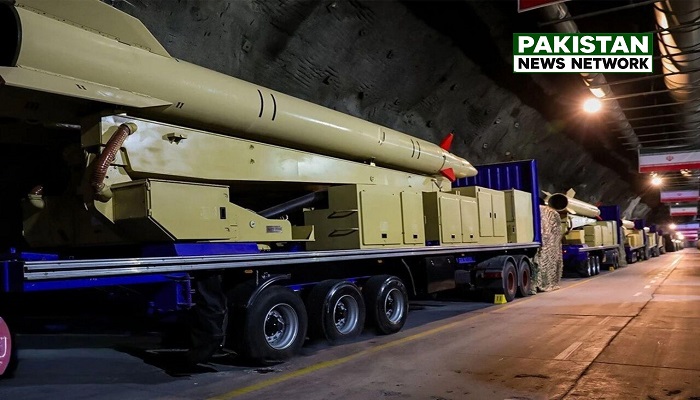
Iran currently possesses more extensive defensive and deterrent capabilities. Over the past few decades, the country has made significant progress in areas such as missile and drone development, the defense industry, and indigenous technologies.
In the 1950s, Iran lacked such capabilities and was unable to mount a proportionate response to the military and political pressures exerted by foreign powers. Furthermore, the country’s defense structure and regional standing at that time were not comparable to the current situation.
In contrast, the Islamic Republic of Iran has, over the past few years, secured a distinct position within the region’s security equations by focusing on the development of domestic capabilities and the strengthening of its strategic capacities.
This analysis also highlights the role of regional developments in elevating the significance of Iran’s strategic position, noting that any escalation of tension in the Persian Gulf region could have far-reaching consequences for global energy markets and international trade.
From this perspective, Iran’s geographical location and the strategic importance of the region’s waterways are considered key factors influencing the security and economic calculations of global powers.