
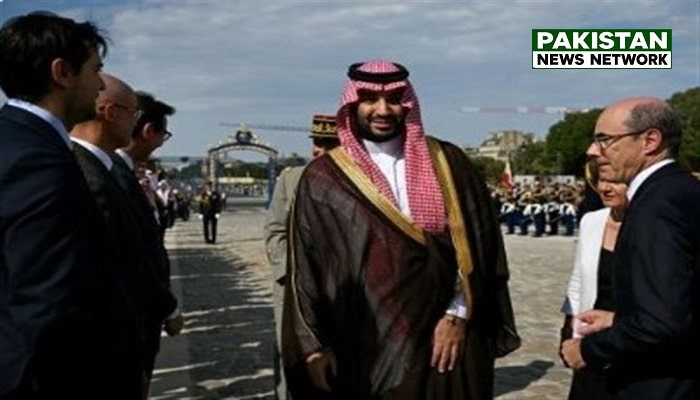
PNN – Yemeni attacks on Riyadh jeopardized Bin Salman’s efforts to transform the country into a global tourism hub.
According to the report of Pakistan News Network; The New York Times reported that deadly attacks by Yemeni armed forces on Riyadh’s international airport have left Saudi Crown Prince Mohammed bin Salman with limited options for containing the situation.
At least 12 people were killed and over 300 injured in Saturday’s attack on the passenger terminal. These attacks have heightened concerns regarding Saudi Arabia’s security and have impacted Bin Salman’s efforts to turn the nation into a global hub for tourism and trade.
The New York Times emphasized that Saudi Arabia faces the challenge of reaching a political agreement with the Yemenis, while a military defeat for them also appears unlikely.
Meanwhile, attacks on Saudi infrastructure could make foreign investors hesitant about the country’s security.
The report adds that the ongoing conflict involving the US, Israel, and Iran has escalated tensions and complicated the path toward a diplomatic solution.
Analysts believe that ending the regional conflict—and including a halt to Yemeni attacks in any potential agreement with Iran—could help alleviate pressure on Riyadh.
In an analytical report highlighting rising regional tensions, The Wall Street Journal also revealed a serious threat to Saudi Arabia’s economic plans, noting that the continued conflict jeopardizes the country’s vision of making travel and tourism two key pillars of its economy.
According to the report, the heavy costs of the war have widened Saudi Arabia’s budget deficit and are pushing the country’s economy toward contraction. Furthermore, data from Capital Economics indicates that the Kingdom’s non-oil sector—the cornerstone of Riyadh’s economic diversification plan—contracted in the second quarter compared to the first.
The report adds that parts of the Saudi capital now resemble a war zone, and Riyadh is facing mounting military pressure. Meanwhile, foreign investment declined during the first two quarters of the year and remains below the levels targeted for 2030.
An American newspaper emphasized that rising defense and infrastructure costs threaten to deplete the financial resources needed to diversify Saudi Arabia’s economy; in this context, several of Saudi Crown Prince Mohammed bin Salman’s mega-projects have been halted, and Riyadh has withdrawn from hosting the 2029 Asian Winter Games.
Finally, noting the confrontation between Saudi Arabia and Yemeni armed forces, The Wall Street Journal reported that this conflict has imposed new challenges on Saudi security and the country’s plans to transform its oil-dependent economy.