
PNN – The economic repercussions of the aggression against Iran—manifested in rising global oil prices and intensified inflationary pressures—have spilled over into the Australia; the country’s Treasurer warned of surging living costs, stating that Australians are paying a heavy price for events unfolding on the other side of the world.
According to the report of Pakistan News Network; Jim Chalmers identified the war against Iran as a driver of “catastrophic” increases in the cost of living today, following a rise in the price of Brent crude oil to over $106 per barrel.
Speaking to Australia’s ABC network, he added: Australians are paying a heavy price for events on the other side of the world.
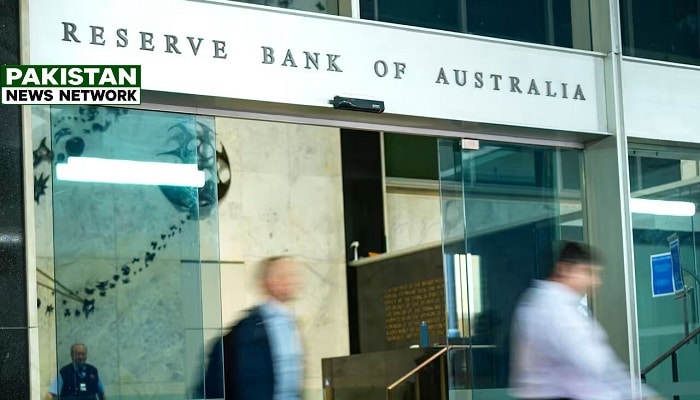
These remarks came as the Reserve Bank of Australia’s board announced today that it had voted to raise the official cash rate by 25 basis points to 4.6 percent—a move that breaks a 15-year trend.
Noting that certain risks of rising inflation are materializing, the statement added that there have been further disruptions to global oil supplies and that recent data indicates growth and inflation in Australia have exceeded expectations.
The board also emphasized that demand linked to artificial intelligence (AI) is a primary driver of the rapid rise in global prices for technology-related goods.
Meanwhile, this [interest rate] hike will increase the burden on borrowers and has intensified debates over policy in this nation of 28 million people.
At the same time, the Liberal-National opposition coalition criticized the Canberra government’s spending; highlighting that core inflation remained at 3.5 percent in the year ending in June.
They noted that the Reserve Bank of Australia’s (RBA) monetary policy tightening cycle had begun prior to the tensions in the Strait of Hormuz.
While acknowledging these concerns, the RBA board’s statement emphasized that weak productivity growth and uncertainties stemming from the housing market downturn are the primary factors constraining the country’s economic growth potential.
In a move to counter the post-COVID-19 surge in inflation, this Australian financial institution did not raise interest rates as aggressively as its peers—such as Canada or New Zealand—preferring a more moderate approach to avoid a severe impact on employment.
Meanwhile, the unemployment rate, which stood at around 4 percent, has risen to 4.6 percent since last month.