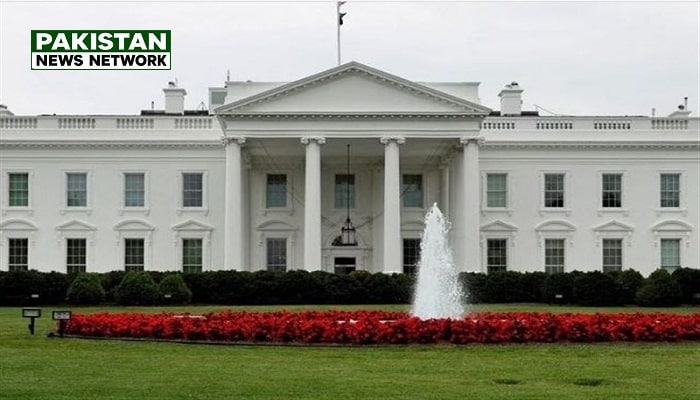
PNN – Concerns regarding a potential Republican defeat in the congressional elections have intensified internal divisions and power struggles within the Trump administration.
According to the report of Pakistan News Network; CNN has reported that fears of a Republican loss in the November 3rd midterm congressional elections have fueled deepening rifts and a power struggle within the Trump administration.
The atmosphere in the White House—previously characterized by an emphasis on loyalty—is now marked by distrust and leaks, leading to personnel changes, including the removal of the U.S. Ambassador to Greece and the White House Press Secretary.
Meanwhile, the position of individuals such as White House Chief of Staff Susie Wiles has come under pressure, with talk of potential departures among cabinet members or the possible impeachment of the Secretary of Defense.
A few days ago, Politico reported that White House Chief of Staff Susie Wiles played a role in arranging a controversial Fox News interview for Karoline Leavitt—Donald Trump’s newly appointed spokesperson. The interview led to Leavitt’s dismissal just hours later, fueling speculation regarding internal divisions within the White House.
As the prospect of losing the House majority becomes increasingly real, the primary concern among Trump’s advisors is that he might refuse to accept responsibility for the defeat and instead initiate a wave of dismissals within his inner circle.
These developments unfold against a backdrop of political pressure and declining approval ratings for Trump, with reports also circulating regarding potential shake-ups in the President’s leadership team.
A recent instance of discord within the White House involves a disagreement between Trump and Vance regarding the state of the U.S. economy, occurring amidst rising public dissatisfaction.
The Associated Press reported today that U.S. President Donald Trump speaks of the dawn of a “golden age” for the country, while his running mate, JD Vance, takes a more cautious tone, acknowledging the economic hardships faced by the public—a discrepancy that highlights the gap between the administration’s promises and the livelihood concerns of Americans as the congressional midterm elections approach.
The report further notes that Trump dismisses public concerns regarding the high cost of living, asserting that the United States is currently in better shape than ever before. In contrast, Vance concedes that the nation’s economic progress has not kept pace with public expectations and that gasoline prices remain high.
U.S. midterm elections take place every four years, halfway through a presidential term. Historically, the party of the incumbent president typically loses some of its congressional seats in these elections, as they often provide an opportunity for the public to express dissatisfaction with the administration’s performance.
However, it appears that the Republicans are facing a particularly challenging combination of political, economic and security conditions this time around.
Rising energy prices, persistent inflation, the prospect of war with Iran, and the impact of these factors on household purchasing power have intensified public discontent. Many of Trump’s own party members disagree with him on this issue, further deepening divisions and discord among Republicans.
Republicans currently hold a fragile majority in the House of Representatives; consequently, a relatively minor shift in the outcomes of just a few electoral districts could hand control of the chamber to the Democrats. In the Senate, the task facing the Democrats is more challenging, yet the likelihood of a shift in the balance of power there has also increased in recent months.
The U.S. midterm elections will be held on November 3. In these elections, 33 of the 100 Senate seats and all 435 seats in the House of Representatives are up for contest. Currently, Republicans hold control of the House, with 218 seats compared to 214 held by Democrats. In the Senate, Republicans hold 53 seats, while Democrats hold 47.