PNN – A Hebrew-language media outlet has acknowledged that, after three years of war, Israel is facing significant health and psychological challenges.
According to the report of Pakistan News Network; the Hebrew-language newspaper Calcalist—in a report published ahead of the Knesset (parliament) elections—stated that three years of war have confronted Zionist society with major medical and psychological challenges that will persist for many years to come.
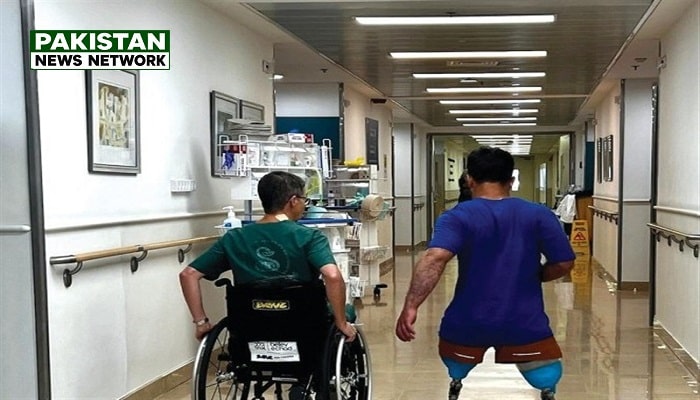
The outlet admits that the number of those wounded in the war, families who have lost loved ones, reserve soldiers, and many others living under constant pressure are all in need of ongoing medical and psychological support.
According to this Zionist media outlet, the war was not the primary cause of this challenge within Zionist society; rather, it has exacerbated an existing crisis. Factors such as an aging population and the prevalence of chronic diseases have further intensified the situation.
Elsewhere, the report notes that while the number of people requiring services continues to grow, the level and volume of services provided have remained stagnant. Not only has the wait time for medical care become a serious issue, but a critical question now arises regarding the future of public health in Israel: as crises intensify, will the system remain capable of treating illnesses and offering preventive solutions?
Another part of this report notes that mental health is one of the most significant challenges. Not everyone suffering from mental health issues seeks help at a specialized clinic.
In many cases, a general practitioner or family doctor is the first point of contact; having known the patient for years, they are well-positioned to identify mental health concerns—even when these manifest as sleep disturbances, physical pain, or the exacerbation of a chronic illness.
Most interactions between the public and the healthcare system take place outside of hospitals. Yet, public discourse frequently centers on hospital beds, wards, and emergency departments.