
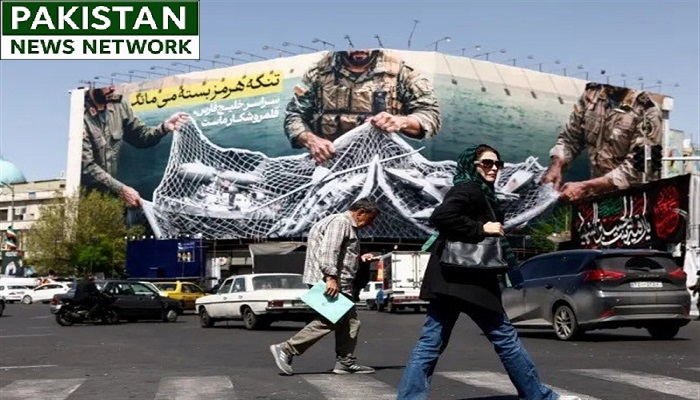
PNN – A Hebrew-language media outlet admitted that the reactions of various countries show that Iran has become a superpower.
According to the report of Pakistan News Network, the Yedioth Ahronoth newspaper admitted in an analytical article published on its website: Trump’s weak reaction, despite emphasizing Iran’s drone action, and the statements of Omani officials that the conditions in the strategic Strait of Hormuz will never return to the pre-war period and that ships will have to pay to pass through it, confirm the analysis of a Saudi journalist that the upcoming agreement with Iran will turn this country into a greater superpower than it was.
Another part of the analysis notes: For decades, residents of the wealthy Persian Gulf states watched regional conflicts unfold via television and social media. These clashes took place in their neighbors’ backyards—in Yemen, Syria, and Gaza—rather than within their own borders.
However, that illusion was shattered by the conflict with Iran, which shook the sense of security in these targeted nations and compelled them to rethink their defense strategies.
According to the Hebrew-language media outlet: Instead of being protected by US military bases on their territory, the southern Gulf States were targeted by thousands of Iranian missiles and drones.
Another part of the article states: The Gulf states have undergone a significant transformation as their vulnerabilities have been exposed by the war, with many now determined to strengthen their military capabilities and invest more in weapons and defense (away from relying on the US).
Khalid Al-Jaber, Executive Director of the Middle East Council on Global Affairs—a Qatari think tank—told The Times: This war has left a deep wound, and it will take a long time to heal.
The Hebrew-language media outlet subsequently cites an analysis by Abdulrahman Al-Rashed in the Asharq Al-Awsat newspaper, noting that an understanding between the United States and Iran would restore Tehran to its status as a regional power and, furthermore, transform it into an even greater power than before.
The article also states that while Gulf leaders publicly welcomed the agreement that ended the war, experts told The Times that many of them feel disappointed and frustrated with the United States; alongside the Gulf states, Israel also shares this sense of defeat and frustration.
After that, he also wrote, quoting a Qatari expert: The prevailing feeling is that the Trump administration is treating the Gulf States “like an ATM,” and this is “worrying to many.” A Bahraini researcher told the American newspaper that “there is a prevailing feeling in the Gulf that deterrence against Iran has weakened.” He believes this means that US and Israeli threats against Iran may be less effective in the future.