
PNN – A Zionist media outlet has reported that the prices of all essential goods in Israel are set to rise soon, a development attributed to military adventurism.
According to the report of Pakistan News Network; the Hebrew-language business newspaper Calcalist stated in a report published today, Monday, that the prices of all items in the Israeli food basket—ranging from flour to eggs—will increase.
The Zionist outlet further noted that these price hikes will be announced immediately following the elections (for the Zionist regime’s parliament), with goods expected to cost 11% to 14% more than their current prices.
The report further emphasizes that rising prices have once again become a central topic of discussion in Israel (Occupied Palestine).
Starting next week, the prices of flour and eggs are set to rise by up to 14 percent—an increase that will immediately impact the retail prices of bread and eggs. However, this is unlikely to be the end of the matter. Since these items serve as essential raw materials for the food industry, their price hikes have sparked concerns regarding a new wave of price increases across a wide range of food products in the Israeli market.
The rise in wheat prices—which has driven up the cost of flour—has also been observed in other grains used in livestock feed; these grains are a key factor in determining the prices of dairy products, poultry, and eggs. This trend could lead to a broad increase in prices across major product categories.
The timing of the price hikes for flour and eggs—immediately following the elections—may prompt producers to exploit the fact that both the public and the incoming Knesset members are preoccupied with the formation of a new government, leading them to implement these increases as swiftly as possible. This occurs at a time when producers are also grappling with other rising costs: the anticipated hike in fuel prices following the expiration of an excise tax exemption in about a week, increased real estate taxes, and higher wage expenses for companies that began hiring foreign workers this year—all of which are further compounded by the budget deficit and the repercussions of Israel’s wars.
In another report, this media outlet emphasized that the outcome of the elections for Israelis would be an increase in the costs of electricity, water, and energy sources.
Calcalist, a specialized economic newspaper in Israel, noted that the government has deferred price hikes until after the upcoming elections. Specifically, by reducing taxes and suspending customs duties, the government is attempting to keep prices stable; however, these exemptions will certainly be revoked following the elections, and a sharp spike in fuel prices is expected as early as the beginning of November.
The Hebrew-language media outlet added that the incoming government will be compelled to raise taxes—likely by a significant margin. Furthermore, prices for electricity, water, fuel, and public transportation are also expected to rise. The previous government managed to defer several price hikes; however, this resulted in an accumulation of costs, effectively shifting part of the financial burden onto the next administration.
Following the elections, there may be no alternative but to increase prices—the question is, by how much?
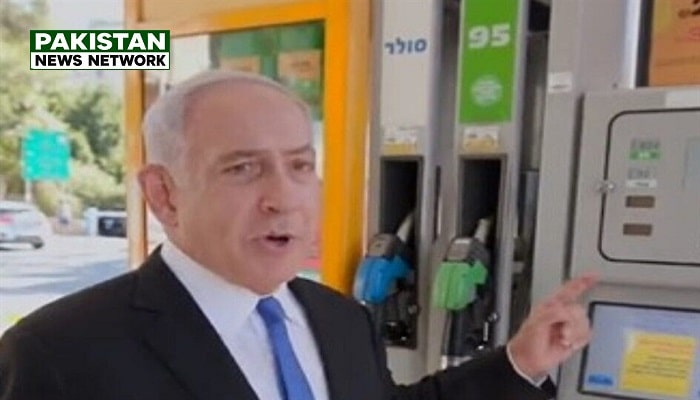
Fuel prices represent the latest example of curbing price hikes through government intervention. Prime Minister Benjamin Netanyahu and Finance Minister Bezalel Smotrich have decided to forgo approximately half a billion shekels in tax revenue to ensure that the price of a liter of gasoline does not exceed 8 shekels.
The official price of gasoline is determined based on the average fuel price in the Mediterranean region over the five days preceding the end of each month. These prices have risen sharply over the past two months; part of this increase stems from the ongoing war involving Iran, while another part is linked to the damage inflicted on Russia’s fuel-refining capacity by Ukrainian attacks on refineries across the country. The depreciation of the shekel against the dollar has also contributed to the price hikes.
Reducing taxes on gasoline—which is primarily consumed by private vehicles—encourages the use of private cars. Meanwhile, public transport operators face high costs for diesel fuel, the price of which is not subject to government regulation. Nevertheless, public transport fares are also expected to rise—most likely in January 2027.
The outlet predicts that electricity and water prices are also set to increase, though the extent of these hikes remains undetermined. Electricity tariffs are determined by a fixed formula that accounts for the Consumer Price Index (CPI), interest rates, the dollar exchange rate, and the price of coal. Furthermore, the price of natural gas—the primary fuel source for electricity generation in Israel—is determined by long-term contracts.