
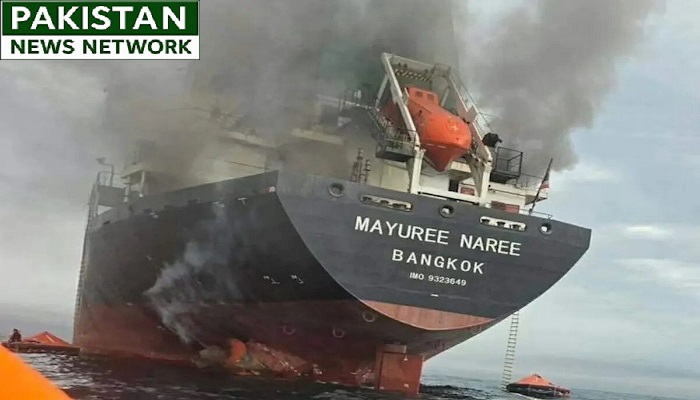
PNN – In a report examining the consequences of aggression by the United States and the Zionist regime against Iran, the Asia Times think tank emphasized that the ensuing crisis in the Strait of Hormuz dealt a significant shock to energy markets, subjecting Southeast Asian economies—particularly ASEAN member states—to rising energy costs, inflationary pressures, and slowing economic growth.
According to the report of Pakistan News Network; an analyst from the Asia Times think tank wrote: Although the Strait of Hormuz crisis is often analyzed through the lens of oil market shocks, the reality is that this crisis—triggered by attacks on Iran by the US and the Zionist regime and the escalation of regional tensions—has had far-reaching economic consequences for many Asian nations, particularly ASEAN members.
In late February, coinciding with the onset of attacks by the US and the Zionist regime against Iran, energy markets experienced severe volatility. This situation drove up the cost of crude oil imports for Indonesia—a country heavily reliant on energy imports—and exerted pressure on the value of its national currency.
By June, the value of the Indonesian rupiah had fallen to its lowest level in decades. However, analysts believe the current situation differs fundamentally from the 1997 Asian financial crisis; the private sector’s foreign currency debt is significantly lower than it was then, and the currency’s depreciation resembles an economic adjustment rather than the onset of a banking crisis.
Among ASEAN nations, the Philippines demonstrated the greatest vulnerability regarding energy security. The country relies almost entirely on crude oil from the Persian Gulf while lacking adequate strategic fuel reserves.
As the crisis intensified, the Philippine government declared a national energy emergency and implemented a series of measures to combat hoarding, control prices, and support the transport sector and citizens’ livelihoods. However, experts believe these measures have merely bought time to manage the crisis, while the country’s structural problem of energy dependency remains unresolved.
Meanwhile, Laos—which lacks domestic oil production—faced the most severe pressure. The closure of hundreds of gas stations and a more than twofold increase in diesel prices within a short period turned the country into one of the region’s most vulnerable economies.
However, energy cooperation between Laos and Thailand—including agreements on the mutual supply of electricity and fuel—helped alleviate the pressures caused by the crisis and paved the way for the country’s gradual recovery from the emergency situation.
The report concludes that the experience of the Strait of Hormuz crisis demonstrated that national resilience depends not merely on the size of an economy or the level of foreign currency reserves; rather, regional cooperation networks and stable neighborly relations play a decisive role in managing energy crises.
The report also highlights the role of border disputes between Thailand and Cambodia and their respective defense cooperation with China, noting that Beijing has sought to help reduce tensions and maintain regional stability through mediation as well as economic and security cooperation, while simultaneously preserving relations with both sides.
Overall, the Asia Times report emphasizes that the Strait of Hormuz crisis—triggered by attacks on Iran by the US and the Zionist regime and the subsequent rise in insecurity along energy transit routes—primarily exposed the vulnerability of nations reliant on energy imports. Amidst this, countries benefiting from regional cooperation and mutual support mechanisms were better able to manage the crisis’s adverse effects, whereas economies characterized by high dependency and limited energy reserves faced greater challenges.