
PNN – If the White House and Congress fail to reach an agreement, war funding could become a factor in the U.S. government’s fiscal deadlock.
According to the report of Pakistan News Network; The Hill reported that the continuation of the war against Iran—following the U.S. midterm elections on November 3—is set to become a central point of contention between the White House and Congress. Democrats, emphasizing their opposition to financing the war, have conditioned any increase in the Pentagon’s budget on management reforms within the institution; meanwhile, Republicans face internal disagreements regarding Russia and Ukraine as they seek to secure congressional support.
Some of the key points of this report are as follows:
- Democrats Unwilling to Fund a War against Iran
A senior Democratic aide in the U.S. Senate told The Hill that Democrats will not approve funding for a war against Iran. This stance could hinder the Trump administration’s efforts to secure nearly $70 billion in emergency Pentagon funding, as well as the passage of a total of $1.5 trillion in defense spending for the 2027 fiscal year. Democrats have also warned that they will not support an increase in Department of Defense appropriations as long as a war continues.
- The Future of the Secretary of Defense Becomes a Point of Leverage for Congress
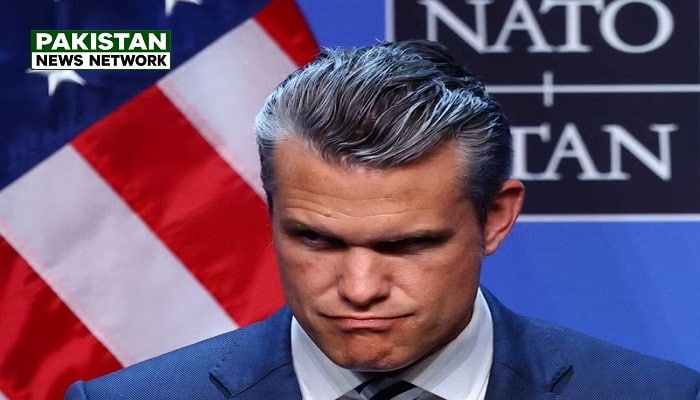
Democrats have called for the removal of U.S. Secretary of Defense Pete Hegseth, threatening to pursue impeachment proceedings should they win the election and gain control of the House of Representatives. Hakeem Jeffries, the Democratic leader in the House, stated that Trump must remove Hegseth; otherwise, Congress will take action on the matter.
Mark Kelly, a Democratic senator and member of the Senate Armed Services Committee, also remarked that Hegseth should have been removed long ago, adding that his departure could facilitate the passage of annual budget and defense authorization legislation.
- Dispute over War Could Trigger another U.S. Government Shutdown
The U.S. government must extend the temporary funding measure for federal agencies by December 11; otherwise, operations across parts of the government face the risk of a shutdown. According to *The Hill*, disagreements over the Pentagon budget and a potential war with Iran could lead to a stalemate in negotiations—and potentially result in a broader government shutdown before Christmas.
Some Senate aides have warned that if Republicans perform poorly in the elections, Democrats could leverage the passage of a temporary spending bill to push through their own demands regarding the war and the future of Hegseth.
- Republicans Seek Alternative Path to Bypass Democratic Opposition
With the prospect of a stalemate over the defense budget growing, some Senate Republicans have discussed drafting a third budget reconciliation package following the election. Under specific conditions, this mechanism could allow for the passage of certain budgetary measures without needing to overcome the Democratic filibuster.
However, Republicans are divided on pursuing such a course; passing a budget resolution and completing the subsequent legislative steps is time-consuming, and the time remaining in the congressional session after the election will be limited. Consequently, even among Republicans, there is no clear strategy for securing the funding requested by the Pentagon.
- Conclusion
The war against Iran has now evolved into an issue extending beyond the military sphere, impacting the Trump administration’s ability to manage the federal apparatus and secure bipartisan agreement on the budget. Should the White House and Congress fail to reach an accord, war funding could emerge as a contributing factor to a fiscal deadlock within the U.S. government by the end of the year.