
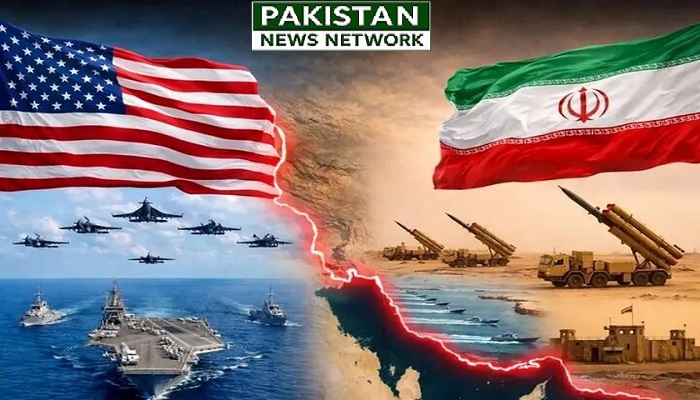
PNN – Citing the economic challenges facing Trump in the conflict with Iran, a US media outlet reported that Tehran will not raise the white flag of surrender.
According to the report of Pakistan News Network; as the so-called 60-day deadline set during the Islamabad talks expires—and amidst a flurry of analyses in regional, international, and Zionist media regarding scenarios for the next phase and the limitations of US options—American circles emphasize that President Donald Trump’s strategy of strangling Iran’s economy through sanctions and a naval blockade is facing a severe test; Tehran remains steadfast in its position, willing to endure significant economic hardship rather than yield to US demands.
In this context, the American magazine Politico—citing former Trump administration officials, U.S. ambassadors, and regional experts—reported that there are significant doubts regarding the economic war against Iran promised by the United States; while Treasury Secretary Scott Bessent claimed this conflict would differ from previous ones, it appears that is not the case.
Iran Will Not Raise the White Flag
In this article, Politico examines Trump’s predicament regarding the conflict with Iran and the reasons why the country refuses to yield to U.S. pressure. It notes that while Donald Trump expects Iran to raise the white flag as a result of the economic war, Tehran appears prepared to hold out longer; it will not accede to his demands—such as waiving fees for ships passing through the Strait of Hormuz or other conditions he seeks to impose to end the conflict.
According to the report, James Jeffrey—a former U.S. ambassador who served under three administrations, including Trump’s first term—commented on the matter: This is a war of attrition, and I am certain the Treasury Department is making minor adjustments here and there to close loopholes or expand sanctions. However, it is difficult to believe that a decisive outcome will occur after twenty years of U.S. sanctions and Iran’s experience in circumventing them.
The American media outlet stated: Amidst an unpopular war—which has driven oil prices close to $90 per barrel and contributed to pushing long-term borrowing costs to their highest level in nearly two decades—the Trump administration faces critical midterm elections, all at a time when hopes for a peace agreement are fading.
Politico added that, in contrast, Iranian leaders view this conflict as vital—providing Tehran with a justification for enduring immense economic hardship rather than capitulating—especially given persistent high inflation in the United States and low Treasury bond prices. The yield on the 30-year U.S. Treasury bond—an indicator Trump has long closely monitored—hit its highest level since before the global financial crisis on Tuesday.
The report further notes that the rise in yields to their highest levels in nearly two decades is not solely attributable to the six-month-long war. Global fuel shortages and general instability have also played a role in keeping energy prices elevated for an extended period, thereby heightening the risk of persistent inflation. This has exacerbated risks in global bond markets, which have long been adversely affected by shocks stemming from Trump’s contradictory stances.
Iran’s resistance has made Americans doubt the effectiveness of economic warfare.
Politico noted that, in this context, Iran’s surprising resilience is one of the reasons why some former U.S. officials question whether a naval blockade—no matter how massive—or any new sanctions strategy unveiled by the U.S. would be sufficient to alter Iran’s calculations.
According to the memo, a former Trump administration official who spoke on condition of anonymity said, “I think economic pressure needs to be applied in new ways we haven’t seen yet; none of the methods used so far have succeeded in bringing Iran to heel.” The U.S. administration has not yet announced the additional measures it intends to take, but available options include targeting major Chinese banks that facilitate Iranian oil trade, expanding secondary sanctions on countries trading with Iran, and seizing Iranian assets rather than merely freezing them.