
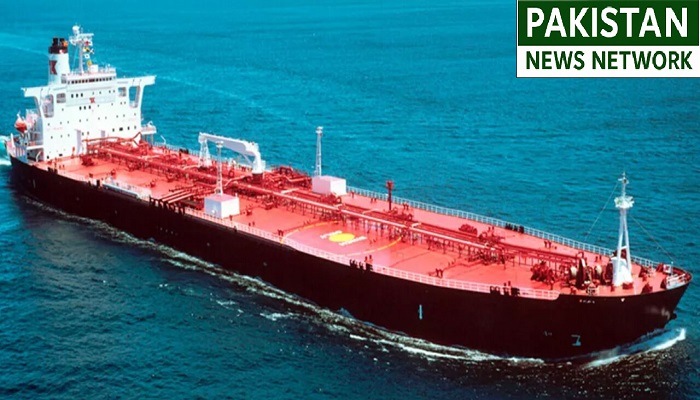
PNN – Reuters news agency warned in a report, referring to the continued disruption in the Strait of Hormuz, that the decline in global oil reserves has reached an unprecedented and alarming level.
According to the report of Pakistan News Network on Friday night, the Reuters report states: Analysts and senior executives in the oil industry are warning that a severe price shock may occur in the coming weeks that will affect global financial markets.
According to this report, Neil Chapman, senior vice president of the American multinational oil and gas company Exxon Mobil, previously announced at a conference in New York: We are approaching unprecedented levels of decline in global oil reserves and when we reach that point, we will see a sharp increase in prices.
The Reuters report adds: If the stock levels fall further, the price of Brent oil (an index that represents more than 60 percent of the world’s traded oil) could rise to $150 or $160 per barrel, Chapman said.
The report continues: In this regard, Toriel Bossoni, head of the International Energy Agency’s (IEA) oil industry and markets department, has warned that if the trend of stock reductions continues at the current pace, global stock levels will reach a critical point precisely when fuel demand peaks in the summer.
According to this report, analysts at the American investment bank JPMorgan have also predicted that as soon as the second half of June enters, there is a possibility of a rapid increase in oil prices unless tanker traffic in the Strait of Hormuz returns to the level before the joint military aggression of the United States and the Zionist regime against the Islamic Republic of Iran.
The report continued, noting that the US Energy Information Administration announced that the country’s crude oil reserves (including the strategic reserve) reached 791 million barrels in the week ending May 29, and wrote: Since the beginning of the conflicts in the Middle East, US reserves have decreased by approximately 64 million barrels, and this downward trend has been continuing for eight consecutive weeks.
At the end of its report, Reuters emphasized that the price of a barrel of oil was below $70 per barrel before the military aggression against Iran, and that the Strait of Hormuz is now established as a permanent geopolitical bottleneck and a return to oil prices before the start of this war seems unlikely even if tensions ease.
Fatih Birol, Executive Director of the International Energy Agency, had previously warned that if the current trend continues, the oil market will enter the “red zone” by July or August.
This warning comes at a time when the speed of emptying strategic and commercial oil reserves has reached unprecedented levels.
Birol emphasized: Countries and industries have reserves. We are now exploiting these reserves, but their totality is not a sustainable solution to this problem. We are reaching the end of this path. The problem is that at the end of June and early July, the travel season begins and oil consumption usually increases.