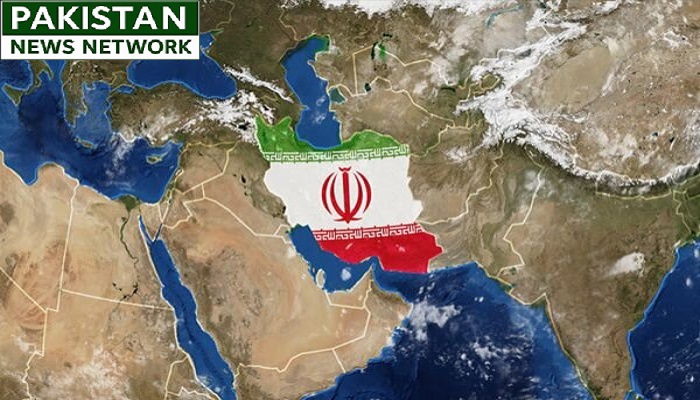
PNN – In 2026, the world has witnessed one of the most complex periods of geopolitical battle between Iran and the Western coalition led by the United States and Israel.
In 2026, the world has witnessed one of the most complex periods of geopolitical confrontation between Iran and the Western coalition led by the United States and Israel. Amidst this tense atmosphere, the “war of narratives” has emerged as more significant than tactical maneuvers on the battlefield. While the Western media apparatus has focused its full force on stripping the “security threat” label from Iran’s image, Iran’s resistance—through a shrewd media strategy—has succeeded in establishing a new model of “activism-based popularity” within global public opinion, particularly across the Global South.
The Shift from the “Threat” to the “Balance” Paradigm
A fundamental shift must be noted in media analysis of this era. Before 2026, the image of Iran in the mainstream media was often defined within threat-oriented stereotypes. But with the onset of the recent conflicts, the narrative of the Iranian resistance was able to break these stereotypes.
Analytical data show that public opinion in developing countries, from Argentina to Indonesia, no longer sees Iran as an “isolated” actor, but as a “balancer.” This shift in perspective has been a direct result of the prominence of the concepts of “self-defense” and “strategic independence” on social media and independent news outlets. As the narrative of resistance emphasized that Iran was standing up to an unequal power structure, Iran’s social capital increased dramatically among those outraged by the unjust international order.
Soft Power Components in the 2026 Campaign
A study of the trend of Iranian media activism shows that three main pillars have been able to enhance Iran’s “nominal popularity”:
Truth diplomacy versus censorship: In a situation where official Western narratives were accompanied by severe censorship of field realities, the resistance media stream established itself as a source of “real news” by publishing first-hand images and narratives. This action caused a global audience that had become distrustful of the mainstream media to turn to Iranian narratives for the truth.
Identification with anti-colonial ideals: The Iranian media narrative at this time cleverly used anti-colonial rhetoric. By linking its struggle to historical ideals of justice, Iran was able to establish deep emotional bonds with masses of people around the world. This led even those who did not agree with Iran’s political ideology to align with Iran in the face of “foreign aggression.”
Using the “Active Actor” Model: In contrast to the passive image that was created of Iran in previous years, the media now portrays Iran as an active actor that has the political will to change the equations. In political psychology, “power” itself is an attraction; therefore, the display of will and capability against the Western coalition has unconsciously increased Iran’s credibility and weight in public opinion.
Impact on National Interests: From Popularity to Deterrence
Iran’s nominal popularity in global public opinion is not merely an abstract achievement, but has served national interests. The increase in international social capital has increased the “political cost” of attacking Iran for Western governments. When Western governments see that global public opinion has aligned with the resistance narrative, they hesitate to adopt aggressive policies (such as new sanctions or military interventions) because they are concerned about the public backlash and domestic pressures in their own countries.
Therefore, the media has played the role of a “defensive shield” here. The promotion of Iran’s position in the public mind has created an indirect deterrent that has prevented a global consensus against Iran’s national interests. In fact, that “maximization of acceptability” in the popular strata has become a kind of “legitimization” of Iran’s strategic behaviors in the international arena.
Future Studies on Iran’s Position
What we are witnessing in 2026 is Iran’s transition from formal and traditional diplomacy to “network diplomacy” and “media-centric.” To continue this trend, maintaining this social capital requires that the narrative of resistance always remain based on field realities and media honesty. Ultimately, Iran’s media success in this crisis showed that power is not limited to military capabilities, but rather that a large part of national power lies in the ability to “persuade the world.” Iran is proving today that if the right narrative is told at the right time, even amidst the most intense media attacks from the West, it can reach the hearts and minds of the people of the world and build a strong fortress to protect national interests.