
PNN – A fact often overlooked in Saudi Arabia’s calculations is the memory of the September 14, 2019 attacks on the Aramco facilities at Abqaiq and Khurais.
According to the report of Pakistan News Network; even as the world watches the standoff between Iran and the United States in the Persian Gulf—and the potential disruption of global shipping through the Strait of Hormuz—flames of another conflict have erupted in the southern Arabian Peninsula. This war threatens to shut down the Bab el-Mandeb Strait, the final vital artery for Saudi oil exports and one of the world’s most critical energy corridors. By attacking Sanaa Airport and violating the ceasefire, Riyadh has placed not only Yemen but the global economy atop a powder keg—a gamble that could exact a price of collapsing energy markets and a crisis unprecedented in modern history.
The world is currently grappling with one of its most complex and multi-layered geostrategic crises. The direct military confrontation between Iran and the United States in the waters of the Persian Gulf has severely restricted the passage of oil tankers through the Strait of Hormuz, effectively turning it into a high-risk endeavor. This strait—a conduit for approximately 20 percent of the world’s oil consumption—is now considered a war zone, and the costs associated with insurance and the risks of transit have skyrocketed.
Under these circumstances, Saudi Arabia—whose economy is entirely dependent on oil exports—has looked to alternative routes for relief, particularly the East-West Pipeline and its Red Sea ports. Yet now, with the resumption of hostilities in Yemen, this very alternative route faces a lethal threat.
The incident began when the Saudi-led coalition bombed Sanaa International Airport just as an Iranian plane was landing there. Despite the attack, the aircraft managed to land, disembark its passengers, and return safely to Iran; however, this hostile act effectively violated the fragile ceasefire that had been in place between Ansarullah and Saudi Arabia since April 2022.
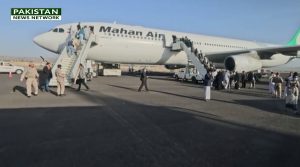
In response, Yemeni armed forces targeted Abha Airport in southern Saudi Arabia with drones and missiles, halting its operations. The Yemeni Foreign Ministry explicitly declared: The criminal Saudi regime’s attack on Sana’a Airport marks the end of the ceasefire and the start of war. International airlines were also warned to avoid flying through Saudi airspace until the blockade of Sana’a Airport is fully lifted.
These developments are unfolding against a backdrop where the land, sea, and air blockade of Yemen was never fully lifted, even after the 2022 ceasefire. Despite the truce, Sana’a International Airport operated only on a limited basis for commercial flights to Oman and—at times—a few other destinations. Furthermore, Yemen’s key ports, particularly Al-Hudaydah, remain subject to the restrictions and inspection mechanisms of the Saudi-led coalition, resulting in constraints and delays regarding the import of goods and fuel. Now, through this direct attack, the Yemenis have demonstrated their determination to break the blockade at any cost.
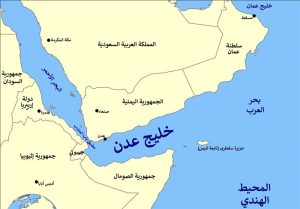
However, what transforms Saudi Arabia’s move from a regional crisis into a global catastrophe is a failure to grasp the precarious position in which Riyadh finds itself. With the Strait of Hormuz effectively closed off, Saudi Arabia has become heavily dependent on the Bab al-Mandab Strait. This strait—which connects the outlets of Saudi Arabia’s western ports, such as Yanbu, to global markets and serves as the transit route for 5 to 6 percent of the world’s oil and gas—lies directly within the range of Yemeni missiles and drones. By attacking Sana’a, Saudi Arabia has effectively given Ansarullah the green light to shift the conflict to its own sensitive territory.
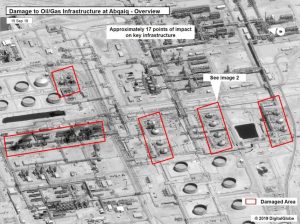
A bitter historical reality that appears to have been overlooked in Riyadh’s calculations is the memory of the September 14, 2019, attacks on Aramco facilities in Abqaiq and Khurais. On that day, combined drone and missile attacks from Yemen temporarily knocked out nearly 5.7 million barrels of Saudi Arabia’s daily production—amounting to half of the country’s total output and approximately 5 percent of the global oil supply. That attack was carried out right under the noses of America’s multi-billion-dollar air defense systems, shattering the myth of the “absolute security” of Saudi Arabia’s oil facilities forever. Now, with the Strait of Hormuz effectively paralyzed, a repeat of such an attack—or even its expansion to other vital infrastructure like water desalination plants—could completely cripple the Saudi economy.
However, the catastrophe will not be confined to Saudi Arabia. If the Strait of Hormuz remains closed while the Bab el-Mandeb Strait simultaneously becomes unsafe due to attacks from Yemen, the world will face a “perfect storm” in the energy market—an event unprecedented in modern history. Together, these two straits serve as the transit route for nearly 25 percent of the world’s total oil and gas. Their simultaneous closure would trigger a surge in oil prices to staggering levels per barrel, a collapse of energy supply chains, a cutthroat scramble among industrialized nations to secure oil, and, ultimately, the plunge of the global economy into a historic period of stagflation. Impoverished energy-importing nations in Africa and Asia would also face a humanitarian disaster.

By attacking Sana’a Airport and violating the ceasefire, Saudi Arabia has initiated not merely a new war with Yemen, but a deadly gamble with both its own economy and the global economy. Riyadh is playing into the U.S.’s anti-Iran agenda at a time when both of its vital oil export arteries—the Strait of Hormuz and the Bab al-Mandab Strait—face serious threats. The Yemenis have demonstrated the capability to cripple Saudi Arabia’s critical infrastructure; should this crisis escalate, the repercussions would engulf the entire global energy market. Perhaps the only rational course of action for Riyadh is to immediately withdraw from this perilous game and return to the negotiating table with Iran and Yemen to secure a lasting peace, before the flames of this gamble reduce the global economy to ashes.