
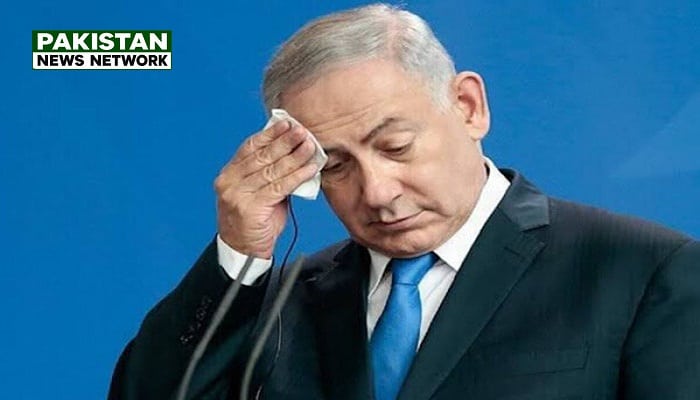
PNN – Israel’s Channel 12 has reported an intensification of rift between Benjamin Netanyahu and Eyal Zamir, the Chief of the General Staff, regarding the issue of Iran.
According to the report of Pakistan News Network citing Israel’s Channel 12, the disagreements between Prime Minister Benjamin Netanyahu and Chief of the General Staff Eyal Zamir concerning how to deal with Iran have reached an unprecedented level.
The report indicates that Israeli security sources have expressed concern over the potential for a miscalculation by the political leadership, which could trigger a rapid conflict with Iran.
These sources also warned of the possibility that the Iranian dossier might be exploited for political purposes to secure electoral gains for the regime.
Channel 12 reported that Zamir has received directives from the political leadership in recent days but has requested an in-depth, expert-level discussion before implementing them. He has also demanded the presentation of legal documents signed by the regime’s political officials to verify the legal basis for the proposed action.
According to the report, tensions escalated during a meeting held today on the sidelines of a visit to the Palmachim Airbase, where the atmosphere became highly charged.
In this context, a high-ranking security official from the Zionist regime told Channel 12: History will not forget Zamir’s role in recent days.
These developments are unfolding at a time when the Iran dossier has become a sensitive issue in the Zionist regime’s security and political calculations, and the approaching elections have further heightened internal divisions.
The vulnerability of the Zionist regime’s air defense—exposed following a conflict with Iran—coupled with the exorbitant costs of intercepting missile attacks, are factors that could influence Tel Aviv’s military calculus regarding the prospect of re-engaging in a large-scale conflict. Under such circumstances, the initiation of a new war with Iran could place immense, compounded strain on the regime’s defense systems and critical infrastructure.
Against this backdrop, Eyal Zamir’s potential opposition to a hasty military action against Iran can be understood in the context of professional and military concerns—specifically regarding the readiness of the armed forces, the repercussions of a retaliatory response from Tehran, and the risk of the conflict escalating further.