
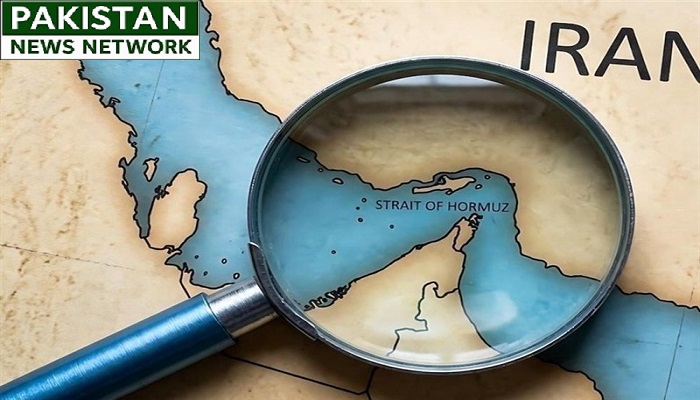
PNN – An American newspaper has reported that Arab nations are coming to terms with Iran’s control over the Strait of Hormuz.
According to the report of Pakistan News Network; The Wall Street Journal reported on Tuesday that energy producers in the Persian Gulf have concluded that Iran’s dominance over the Strait of Hormuz is becoming permanent—a situation that disrupts their oil and gas exports, as well as global energy supplies, for an indefinite period.
The newspaper writes that the problem for these countries is their concern that the alternative—a return to war—could make the situation even worse.
The Wall Street Journal wrote: This dilemma illustrates how the war has emboldened Iran and left a region vital to global energy security without any viable option to counter it.
According to this analysis, Iran’s rivals in the Persian Gulf are dissatisfied with the agreement currently under consideration—which would partially open this vital waterway and formalize Iran’s oversight of incoming vessels. However, Gulf officials state that the region prefers this agreement to further military conflict between the U.S. and Iran, which would jeopardize the energy infrastructure of Arab nations.
Negotiations regarding this agreement—which promises the passage of energy shipments through the Strait of Hormuz—have reached an impasse in recent days. According to mediators, Iran is demanding financial concessions and a ban on the entry of U.S. and Israeli warships into the Strait; conversely, the United States has refused to accept an agreement that would allow Tehran to obstruct shipping. Oil prices rose on Monday, with the price of Brent crude reaching approximately $87 per barrel.
According to data from Kpler, crude oil exports through the Strait of Hormuz fell to approximately 2.2 million barrels per day last week, down from around 8.5 million barrels a month earlier.
The Wall Street Journal reports that oil prices—driven by weak demand from China, Japan, India, and Europe—remain well below the highs recorded during the fiercest fighting last spring. However, global oil inventories are lower than they were at the start of the war, having fallen by more than 400 million barrels over the past six months. This means the market has a smaller margin of safety in the event of a new shock or a surge in demand.