
PNN – Arab sources have reported the suspension of numerous development projects and an unprecedented livelihood crisis across the Gulf States amidst the ongoing war.
According to the report of Pakistan News Network; the war waged by the US and the Zionist regime against Iran—which escalated into a regional conflict following our country’s crushing response—has exposed the fragility of the Gulf States across various sectors, including security and the economy. Recent assessments paint a bleak picture of the region’s economic performance for 2026; notably, a June forecast by Oxford Economics predicts a 2.4% contraction in the combined GDP of the Gulf Cooperation Council (GCC) member states.
Halt in Ambitious Development Projects in Persian Gulf States Following the War
According to the Qatari website Al-Araby Al-Jadeed, this slowdown is attributed to maritime disruptions, the ongoing war, rising insurance costs, and a decline in inbound tourism—factors that highlight the resulting consequences for Persian Gulf nations and their citizens.
According to an assessment by the consultancy Oxford Economics, the decline in the GDP of Gulf states is primarily attributed to a 14.5% drop in oil sector output and a 1.1% contraction in non-oil activities. This situation has prompted these nations to reprioritize their development plans and major projects, and to adjust their strategies by utilizing alternative supply routes and implementing financial safeguards.
In this context, recent geopolitical developments and maritime disruptions have compelled Persian Gulf nations to revise their plans and postpone several major projects. According to a Bloomberg report from April 5, 2026, the scope of the “The Line” project in Neom—a venture in which Saudi Arabia has invested heavily—has been scaled back, and key construction phases have been delayed to preserve liquidity and ensure supply chain security.
Concurrently, Reuters reported on May 18, 2026, that the operational rollout of NEOM’s green hydrogen project (NGHC) had been postponed to late 2027 due to issues with international shipping contracts.
Meanwhile, Arab sources indicated that development timelines for projects in other Gulf States have been disrupted. For instance, investments in data centers and cloud computing have entered a period of heightened risk following Iran’s announcement on July 21 regarding plans to target Amazon Web Services (AWS) infrastructure in Bahrain.
This occurred at a time when Gulf States were competing to attract global technology companies and pouring billions of dollars into data centers and cloud services.
Ongoing military tensions and conflicts in the region have also led to the postponement of several joint regional digital infrastructure projects connecting the six Gulf Cooperation Council (GCC) nations—most notably Meta’s “2Africa Pearls” subsea cable project.
Decline in Purchasing Power and Unprecedented Cost-of-Living Crisis in Gulf Countries
According to a report published by the credit rating agency Standard & Poor’s on July 21, working- and middle-class populations in Gulf societies are facing mounting daily pressure due to the continuous rise in rents and utility bills, which reduces the real income available for household expenses.
Furthermore, declining purchasing power has driven consumers to cut back on non-essential spending and adjust their consumption patterns to cope with high housing costs. This trend has coincided with rising operating and construction costs, as well as increased demand for housing in urban centers, placing an additional financial burden on middle-income families—particularly renters—and straining their monthly budgets.
On the other hand, water-related conflicts and geopolitical instability in the Strait of Hormuz and the Red Sea are expected to exert significant upward pressure on the prices of imported food and consumer goods in 2026, given the Gulf Cooperation Council (GCC) countries’ heavy reliance on imports to meet the majority of their food needs.
Safeguarding the eroding purchasing power of households in Gulf nations against fluctuations in insurance and shipping costs requires a comprehensive strategy that combines government social measures with household savings policies.
Government solutions proposed by some Persian Gulf states include expanding social safety nets, providing direct subsidies for essential food items, and setting regulatory caps on housing rent increases.
Bleak Outlook for Oil-Dependent Gulf Economies Post-War
Khalfan Al-Touqi, an economic expert, told Al-Araby Al-Jadeed that the impact of the war varies across Gulf States in terms of scale and depth; while these nations may be able to manage the economic repercussions in the short term, development prospects could shift significantly if the conflict drags on.
He added that even if the war ends this summer, many infrastructure projects in the Persian Gulf states will come to a halt. Countries such as Kuwait, Bahrain, and Qatar have been severely affected due to their direct reliance on oil revenues and limited logistical options, whereas Saudi Arabia has experienced a moderate impact thanks to access to alternatives like the East-West Pipeline.
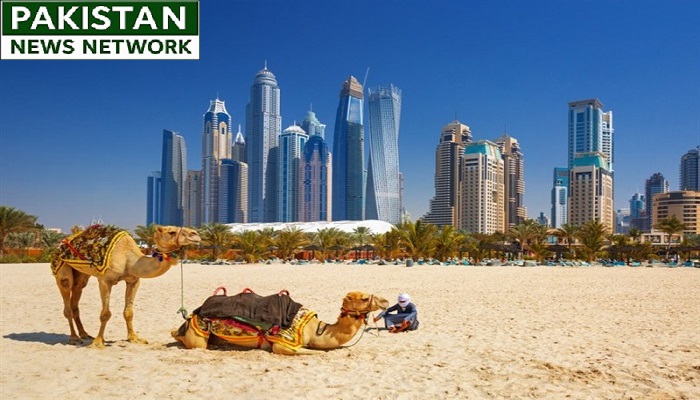
This Arab economic expert emphasized that the United Arab Emirates—and Dubai in particular—has been significantly affected due to its heavy reliance on the services, tourism, hospitality, and transport sectors. Any disruption to supply chains or the movement of people has a negative impact, particularly on the foreign workforce employed in projects and services across the UAE.
He noted that, consequently, recovery in the UAE and other Gulf states will take a considerable amount of time, extending well beyond the end of the war. Furthermore, the success of these nations in addressing the war’s economic repercussions will depend on their financial reserves.
Ali Ahmed Darwish, an economist and financial advisor, stated that the 2.4% economic contraction across Gulf Cooperation Council (GCC) countries—despite varying degrees of impact from the conflict—is a natural and expected consequence of the ongoing war.
He added that this downturn stems primarily from shipping disruptions, rising insurance costs, and a sharp decline in the tourism sector in recent times. Meanwhile, some nations have utilized their reserves to support households and prevent significant increases in the cost of living or drastic changes to lifestyles, striving to contain the crisis and minimize its impact on the general public and the middle class.
This economic expert noted that despite all these efforts, the cost of living in the Persian Gulf states continues to rise; specifically, rental costs are increasing due to diminished purchasing power and the reluctance of foreign investors to enter the market at this stage.
He observed that, amidst this situation, some citizens in the Gulf States are finding opportunities to purchase property at significant discounts as some expatriates leave the region. However, rental rates remain high, as the majority of residents rely on their corporate jobs to remain in the area.
Ali Ahmed Darwish emphasized that the tourism sector in Gulf countries has been severely impacted, leading to the temporary closure of many establishments, and that these nations are struggling with exports just as they have in the past.
He concluded by noting that the situation has forced many families in the Gulf—particularly those with low to middle incomes—to alter their lifestyles; they are now focusing on basic food needs while foregoing luxuries and dining out, all while awaiting a resolution to the war so that the full extent of the economic consequences becomes clear and a mechanism to address the situation can be adopted.