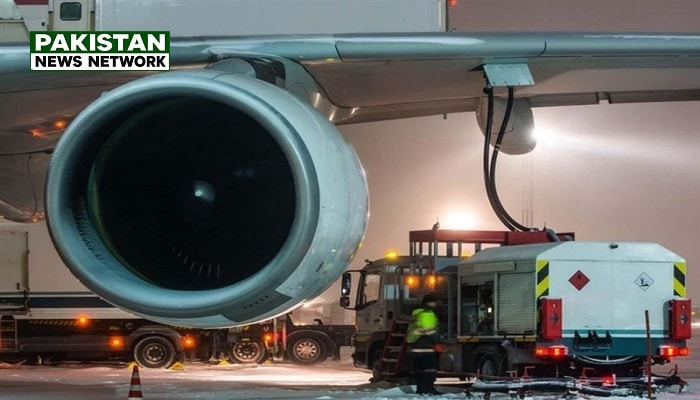
PNN – A twofold increase in jet fuel prices over the past nine months has led international airlines to halt fuel hedging.
According to the report of Pakistan News Network; in a report, Reuters examines the implications of a prolonged war against Iran for the global aviation industry, noting a shift in airline strategies regarding fuel cost management.
Key points from the report include the following:
- The Precarious Situation of Airlines
With jet fuel prices having doubled compared to pre-war levels, many airlines are refraining from entering into new fuel-hedging contracts; locking in prices at current levels could commit them to high costs even if tensions subside. Conversely, forgoing these contracts leaves the companies more vulnerable to further spikes in fuel prices.
- The Costly Dilemma of Fuel Hedging
Hedging contracts allow airlines to lock in future fuel prices, shielding them from sudden cost spikes. However, under current conditions, this tool no longer guarantees cost savings. Companies that enter into contracts at high price levels may find themselves forced to continue purchasing expensive fuel even if oil prices fall. Conversely, failing to maintain adequate hedging leaves them directly exposed to market volatility.
- Airlines Back Away from New Hedging Contracts
Tony Fernandes, CEO of AirAsia, stated that a significant portion of existing fuel-hedging contracts is expiring, and his company is preparing for oil prices to remain high over the next 12 months.
Finland’s Finnair has also announced that, amid a sharp rise in fuel costs, it will no longer enter into new hedging contracts. Ryanair similarly announced in September that it would cease fuel hedging; however, the airline has already hedged approximately 80 percent of its fuel requirements for the fiscal year ending in March 2027.
- The Impact of the War Will Intensify as Existing Contracts Expire
According to Reuters, the primary strain may become more apparent by 2027, when hedging contracts—secured prior to the war—expire, forcing airlines to procure a larger share of their fuel at prevailing market prices.
Michael O’Leary, CEO of Ryanair, has warned that no European airline—not even Ryanair—possesses adequate hedging coverage extending to the summer of 2027. He predicts that ticket prices will need to rise by 15% to 20% to offset these cost pressures.
- Weaker Companies Are More Vulnerable to Fuel Volatility
According to Reuters, companies with weaker financial positions have less flexibility to cover the ancillary costs associated with fuel-hedging contracts—such as collateral and premiums—and may consequently find themselves fully exposed to fuel price fluctuations. This situation, compounded by rising costs, has intensified financial pressure on the aviation industry. Meanwhile, U.S. carriers are largely reluctant to return to fuel hedging, and the surge in costs has further weakened the profit outlook for some of them.
Conclusion
A Reuters report points to a strategic shift in the aviation industry: the war against Iran has transformed what was traditionally a tool for companies to hedge against fuel price volatility into a high-risk decision.