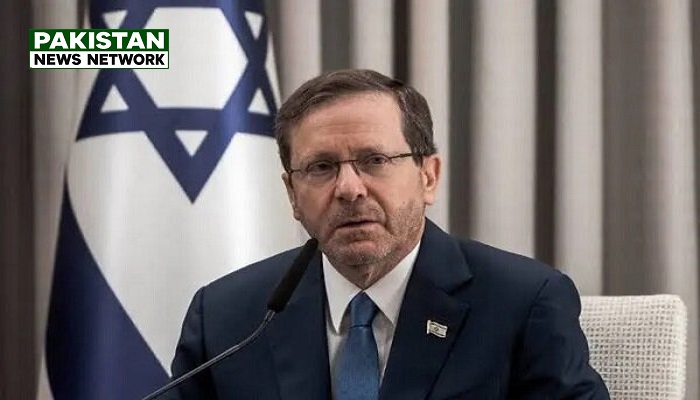
The President of the Zionist regime has urged representatives of the regime’s political parties to seek innovative solutions to avoid the holding of new elections.
According to the report of Pakistan News Network; citing Al-Nashra, Isaac Herzog, the President of the Zionist regime, has called on representatives of the regime’s political parties to pursue innovative solutions to prevent new elections.
The Zionist newspaper Haaretz reported that Isaac Herzog will begin consultations on Wednesday with the parties that won seats in the Knesset (parliament) regarding the formation of a new cabinet.
These consultations are set to commence once the chairman of the regime’s Central Elections Committee submits the official election results to the President on Wednesday.
According to this media outlet, the duration of the consultations is not yet clear, though such discussions have previously lasted for two days.
The newspaper reports that on Wednesday, Herzog will hold consultations with party representatives to decide on the candidate who will be tasked with forming the next cabinet.
In this regard, Herzog addressed the party representatives who will participate in Wednesday’s meetings, stating: Let us find innovative solutions to avoid holding yet another election.
Early Friday, the Zionist regime’s election committee announced the final, official results of the 26th Knesset elections. According to the released figures, the bloc led by the current Prime Minister, Benjamin Netanyahu, secured 53 seats, while the rival bloc—headed by Gadi Eizenkot, leader of the “Yashar” party—won 48 seats. Additionally, Arab lists collectively secured 19 seats in the Knesset.
The Zionist regime’s “Kan” television network previously reported on the results of the recent Knesset elections, stating that the vote once again revealed the persistence of social and identity-based divisions among the Zionist public.
According to the report, disputes concerning identity and social affiliation have had a greater impact on voters’ choices and the shaping of their political leanings than security or economic failures.