PNN – Following Trump’s recent threat of a three-day deadline for Iran’s oil infrastructure, Tanker Trackers data analysis shows that Iran’s oil storage architecture extends beyond terminals such as Kharg Island.
According to the report of Pakistan News Network; Following Trump’s recent threat of a three-day deadline for Iran’s oil infrastructure, an analysis of Tanker Trackers data shows that Iran’s oil storage architecture extends beyond terminals like Kharg Island.
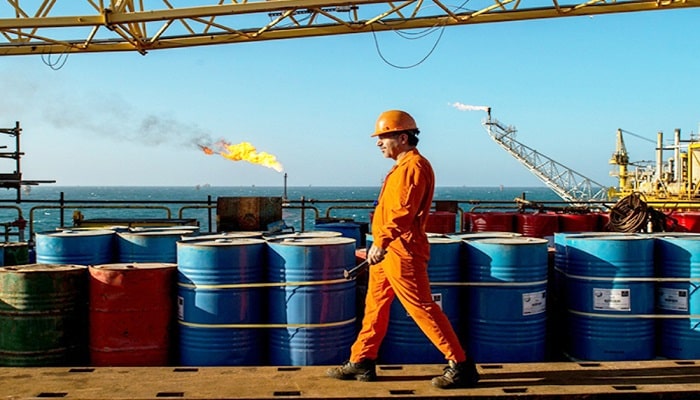
By using underground tanks to store gas condensate, Iran has made satellite monitoring of its reserves virtually impossible. In addition, the use of very large crude carriers (VLCCs) as floating storage tanks with a capacity of 120 million barrels has given the distribution network a high degree of flexibility.
If the most severe blockade continues, Iran has the capacity to continuously store oil for at least a month. This logistical capability, coupled with the successful experience of countering the “maximum pressure” policy during Trump’s first term—during which oil exports fell to less than 300,000 barrels but did not stop—indicates a key fact: Iran has the ability to manage pressure and neutralize Trump’s threats.
The capillary structure of sales and hidden infrastructure has made Iran an actor that, contrary to popular belief, does not suffer operational collapse in the face of short-term deadlines. This stability is rooted in a combination of sanctions experience and strategic distribution of reserves.