
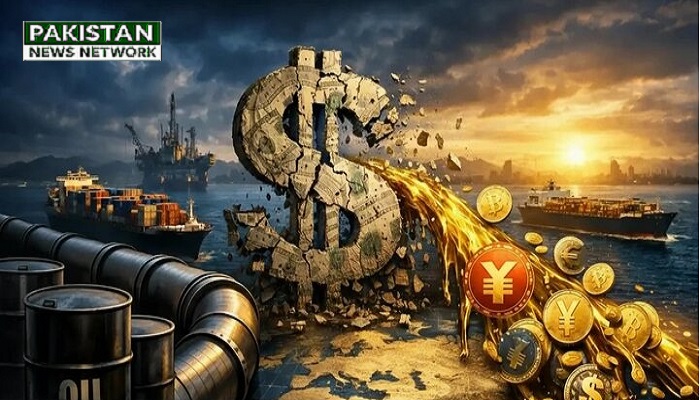
PNN – Economic experts are warning of an unprecedented financial crisis in the United States—one with a scope far exceeding that of the 2008 crisis.
According to the report of Pakistan News Network citing Arabi21; economic experts have warned of a new financial crisis in the U.S. that could surpass the 2008 crisis in both severity and consequences. These experts described the current global economy as a “massive bubble” that could burst at any moment.
In this context, prominent economist Peter Schiff stated that the United States is on the verge of a severe crisis. The U.S. government no longer has the capacity to rescue the markets.
He added that the accumulation of massive debt means the looming crisis—unlike those of the past—is tied not merely to private sector credit but directly to “sovereign credit” (government debt).
Schiff explained that the option of “printing more money” is no longer an effective solution; instead, it would only lead to rising inflation and exacerbate the economic hardship faced by citizens. He emphasized that the current situation is the result of decades of flawed decisions, during which bold structural reforms were never undertaken.
The expert noted that the U.S. government faces massive, unfunded debt obligations—a situation that confronts the administration with difficult choices, such as defaulting on the debt or resorting to monetary inflation that erodes its real value.
He predicted that Americans would emerge from this crisis significantly poorer than they did from the 2008 crisis.
Scheff also explained that financial pressure is mounting sharply due to rising costs associated with social security programs and debt interest payments. He concluded by stating that deferring economic problems for so long has caused the “final wave” of this crisis to be far more severe and crushing.
It is worth noting that data from the U.S. Department of the Treasury indicates that government debt has surpassed the $40 trillion mark for the first time in history—a development that redefines the landscape of sovereign risk and confronts investors with fundamental questions regarding the future of “safe-haven assets” and the sustainability of the fiscal policies of the world’s largest economy.
Economic experts had previously warned repeatedly about the direct costs of U.S. warmongering against Iran and the indirect consequences for the U.S. economy.