
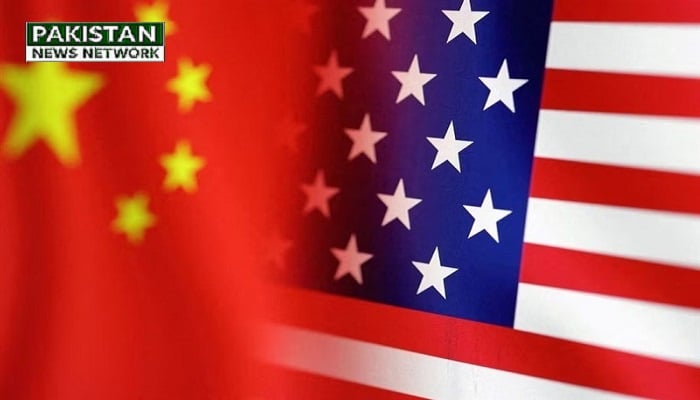
PNN – The United States cannot target major Chinese entities, creating a structural impasse in the enforcement of sanctions against Iran.
According to the report of Pakistan News Network; an analysis by Foreign Policy examines the repercussions of Washington’s decision to implement a strategy of “economic exclusion”—aimed at intensifying economic pressure on Iran—and assesses it as a move that sets the stage for a complex, new confrontation between the United States and China.
The key points of this report are as follows:
China: The Lifeline and the Hidden Target of Sanctions
China’s purchase of over 90 percent of Iran’s oil serves as the primary source of foreign currency, manufactured goods, and industrial components for Tehran. Consequently, any U.S. attempt to “strangle” the Iranian economy would be impossible without targeting Chinese independent refineries, terminals, and banks—a move that would deal a fresh shock to bilateral relations, coinciding with Xi Jinping’s upcoming visit to Washington.
The Ineffectiveness of Harshly Worded Sanctions against Market Realities
Efforts by the U.S. Treasury Department to sanction shell companies in Hong Kong or small banks in Turkey and the UAE have had little impact, owing to the highly decentralized structure of the network used to circumvent sanctions against Iran. Meanwhile, Washington has so far refrained from sanctioning major Chinese banks and key refineries; the reality is that minor sanctions are ineffective, whereas major sanctions would trigger an explosive trade war.
Beijing’s New Tools and Regulations to Counter Sanctions
Unlike in the past, China has enacted new regulations prohibiting domestic companies from complying with U.S. extraterritorial sanctions. Should Washington increase pressure, Beijing could inflict serious damage on U.S. companies and supply chains by restricting exports of rare earth elements or ramping up oil purchases.
The Shadow of War over U.S. Strategic Priorities
A Foreign Policy analyst warns that Washington has allowed the conflict with Iran to overshadow every aspect of its diplomacy with China—ranging from the postponement of summits to the bolstering of China’s energy security through increased oil imports from Russia. If Trump fails to force Iran to capitulate, he will be compelled to choose between accepting defeat and engaging in a devastating trade war with China.
Conclusion
A Foreign Policy report indicates that Trump’s “Economic D-Day” strategy against Iran has hit a structural impasse. Short-term, limited measures targeting Iran’s trade networks have proven ineffective, and any escalation of pressure on major Chinese buyers of Iranian oil could drag the United States into an entirely new and costly trade conflict with the world’s second-largest economy—a move whose costs would far exceed those of the initial Iran crisis.