
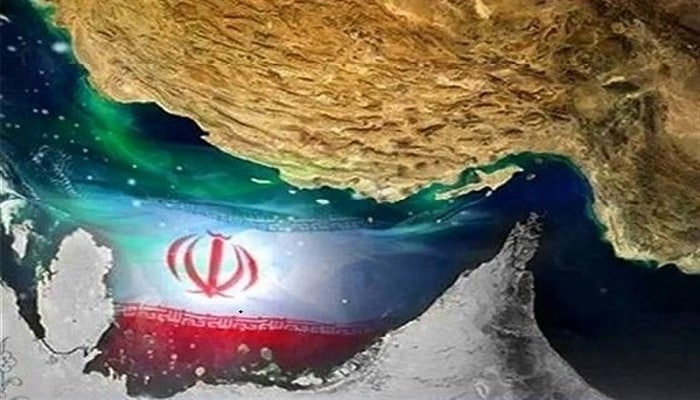
PNN – The Conversation think tank has stated that the Strait of Hormuz has become the most powerful deterrent for Iran.
According to the report of Pakistan News Network, the Conversation analytical platform wrote in a report that the main lesson learned from the Iran war is that Iran’s geography alone provides all that the country needs for deterrence. The US and Israeli attacks have not been able to prevent Iran from controlling the movement of ships in the Strait of Hormuz.
Some of the themes of the report are as follows:
- Geography; Iran’s greatest strategic asset
The Strait of Hormuz is shallow and narrow, with navigable shipping channels only two miles wide. Small bays along Iran’s southern coastline provide cover for small boats, minesweepers, anti-ship missiles, and drones. There is also a vast belt of Rocky Mountains stretching from the Turkish border to the Strait of Hormuz, where Iran can store and hide more drones and missiles than it needs.
- Iran’s ability to close the strait is not new.
For decades, Iran has repeatedly threatened to respond to any foreign attack by closing the strait, and the country’s capabilities have shown that it is capable of carrying out this threat.
- The only person who doesn’t seem to get it is Trump
“The intelligence community has long assessed that Iran would likely hold the Strait of Hormuz hostage,” Tulsi Gabbard, the US director of national intelligence, told a Senate hearing. Many analysts have warned of the catastrophic economic consequences of a war with Iran because of this ability. The only person who doesn’t seem to get it is Trump.
- The nuclear program has never been a primary deterrent
The nuclear program has never been a primary deterrent for Iran. A 2019 Chatham House report determined that Iran considers its asymmetric capabilities, including ballistic missiles and regional allies, essential to its national security. If nuclear deterrence had been a primary goal, Iran would not have committed to the 2015 nuclear deal, which blocked the path to building a bomb.
- Iran unlikely to rely on a deterrent pillar
Iran will likely not rely solely on its ability to control the Strait of Hormuz as its deterrent pillar, but will also strengthen its missile capabilities and regional allies. Iran’s proven ability to close the Strait of Hormuz will undoubtedly shape the regional order for some time to come.
- Conclusion
The Conversation concludes that the Iran war has revealed a strategic paradox: America entered the war to weaken Iran, but in effect helped the country discover its most powerful deterrent. This is the new deterrent that Tehran has pulled out of the jaws of defeat.