
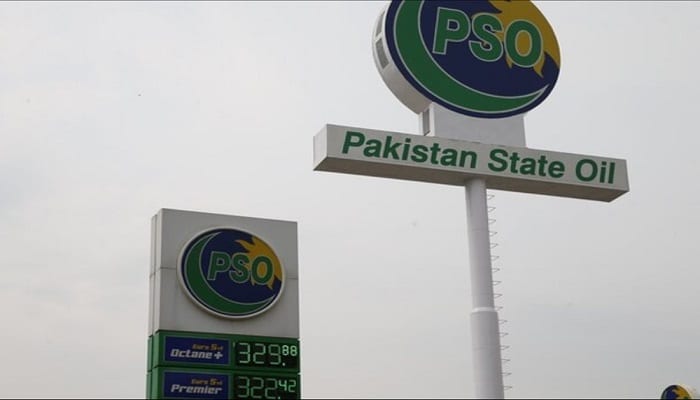
PNN – The Prime Minister of Pakistan announced that Pakistan’s oil import costs have increased by 167 percent, from about $300 million to $800 million per week, in line with regional developments.
According to the report of Pakistan News Network; Pakistan’s oil import bill has increased by 167 percent to $800 million per week amid the war against Iran, Prime Minister Shehbaz Sharif said on Wednesday, compared to $300 million per week before the conflict.
Brent crude for June delivery rose 6.84 percent to $126.10 a barrel in today’s trading, while U.S. West Texas Intermediate crude rose 3.14 percent to $110.24 a barrel.
The Pakistani prime minister said the fuel price hike had “neutralized” efforts to stabilize the economy over the past two years.
Pakistan’s economy remains highly vulnerable to fluctuations in global oil prices, and recent geopolitical tensions in the Middle East are fueling this cycle. Pakistan’s total oil consumption is around 440,000 barrels per day, five times its domestic production of 80,000 to 90,000 barrels per day, forcing the country to rely on imports for 80 percent of its needs.
Rising global oil prices have pushed gasoline prices to record highs in Pakistan, driving up transportation, energy and overall consumer spending; moreover, when oil prices rise, the country has to spend more of its limited foreign exchange reserves, which often leads to a depreciation of the currency, making everything more expensive.
Economists warn that persistently high energy prices could reduce GDP growth for fiscal year 2027 to 1.8 percent, down from previous estimates of 3.2 percent.
According to Oil Price, the Pakistani government is aggressively implementing energy-saving measures across the country to alleviate the severe fuel crisis, and has been somewhat successful. Public sector offices are switching to a four-day workweek, with 50 percent of employees working from home, except for essential services. Markets, shopping malls, and business centers across the country (except in Sindh province, where consultations are ongoing) are required to close by 8 p.m. local time, while restaurants, cafes, and bakeries are required to close by 10 p.m. Almost 60 percent of official vehicles have been grounded, and fuel rations for government offices have been reduced by 50 percent.