
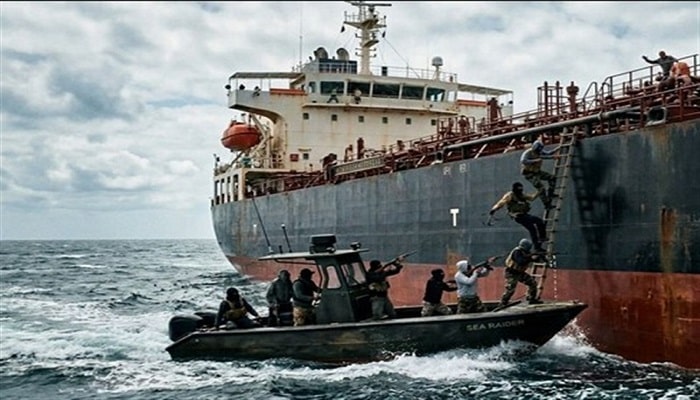
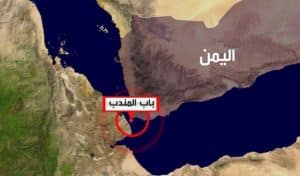
PNN – The hijacking of an oil tanker off the coast of Somalia has heightened concerns about the risk of a resurgence of the Al-Shabaab group in the Bab al-Mandab Strait.
According to the report of Pakistan News Network, the recent attack on an oil tanker off the coast of southern Somalia, which resulted in the seizure of a small tanker by Somali militants, is significant because it comes amid rapid international changes and tensions in the West Asia, Europe, and Africa region, and therefore has the potential to become a new trend in the security arena. Accordingly, understanding the roots of this incident and its possible consequences is of great importance.
The Roots of Somali Coastal Ship Attacks
With over 3,000 kilometers of coastline bordering the Indian Ocean, the Gulf of Aden, and the Arabian Sea, and adjacent to the strategic Bab el-Mandab Strait, Somalia is considered a key country in the maritime security landscape. Its coastline potentially allows the Somalis to control shipping routes to the Red Sea and to ports in East Africa. During the Cold War, Somalia sought to gain economic, military, and strategic advantages by granting access to ports, coasts, and air bases to the United States and the Soviet Union, and by swinging between the two poles.
With the collapse of the Somali state in 1991, the country entered a long and protracted period of civil war, tribal conflicts, insecurity, terrorism and separatism, exacerbated by external interference, especially from its neighbors. This has led to periodic climate changes such as widespread droughts and severe floods, leading to consequences such as famine and hunger. This is especially evident in areas far from the capital and in areas exposed to armed conflict.
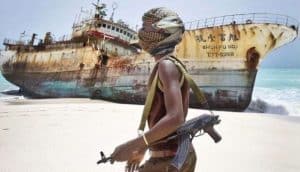
This situation comes at a time when many Somalis, especially residents of deprived and rural areas, have always accused other countries of taking advantage of the statelessness in the country, especially in the 1990s, to engage in illegal activities such as illegal fishing in Somali territorial waters, dumping hazardous chemical waste, and polluting water, which has seriously endangered the livelihoods of the Somali people.
The confluence of these issues and problems can be seen as the first sparks of maritime operations against international shipping in the region. These operations initially took the form of attacks on fishing vessels fishing off the coast of Somalia, but soon developed into a lucrative, mafia-like business of extorting compensation from ships. A business in which ransom brokers, tribal leaders, government officials and businessmen were at the top of the profit pyramid, and the share of those participating in the attacks on ships was lower than the rest.
The combination of the Somali Islamic Courts Union’s control over the country, a severe famine in the first decade of this century, and foreign interference caused Somalia to witness a surge in attacks on international shipping between 2005 and 2008. However, the peak of attacks on ships can be seen between 2011 and 2012. Estimates indicate that during the peak of attacks on international shipping in 2011, there were 237 attacks on foreign ships, which resulted in the payment of approximately $159 million in ransom to Somali armed groups.
The increase in operations off the Somali coast has led to a large presence of military forces from various countries in the Bab al-Mandab region and the Gulf of Aden. This presence, along with some initiatives to cooperate with local governance institutions, has led to a significant reduction in naval operations off the Somali coast, but foreign intervention has not been able to resolve the root problems on the Somali coast. Therefore, despite the relative calm over the past decade, security gaps resulting from events such as the Yemen war and … have always led to the revival of some limited operations off the Somali coast.
Why might the current piracy operation be the start of a new trend?
The attack on the oil tanker off the coast of Somalia is one of the few successful operations to have taken place off the coast of the country in recent years. However, this event cannot be considered a military operation separate from the larger trend in the Horn of Africa, but the political, security and economic situation in the country could turn this operation into a new trend in the Horn of Africa. The most important reasons for this can be seen in the following factors:
Unprecedented famine in Somalia: Aid agencies report that Somalia is currently suffering from one of the worst famines in its history, driven by widespread flooding. The famine has left hundreds of thousands of people without crops and livestock and forced them to flee for food. The global economic shocks caused by the war in West Asia have also worsened the situation. The famine will increase the incentive for local forces to attack ships.
Al-Shabaab’s growing influence: Al-Shabaab, one of the main opposition groups in Somalia and affiliated with al-Qaeda, has significantly expanded its activities and sphere of influence in Somalia, especially in the south of the country. Estimates indicate that Al-Shabaab controls more than 60 percent of the land in southern and central Somalia. The organization has established various governance structures in the areas under its control in the areas of taxation, education, security, and so on. These structures have made Al-Shabaab one of the wealthiest terrorist groups in the world. The convergence of Al-Shabaab’s security influence and famine in Somalia could provide a fertile ground for expanding maritime operations in the region, as the group sees such operations as a potential revenue stream, weakening the central Somali government, and influencing global trends, especially in its fight against the United States and the West.
Foreign interference and threat to national unity: Although Somalia has lacked a central government for decades and separatist groups have been active in the north of the country, a large part of the country’s people and its politicians have opposed the breakup of Somalia. The increasing interference of extra-regional countries in Somalia, especially the presence of the United States, the Zionist regime, and the Emirates in the separatist region of Somaliland, has made the breakup of the country a serious threat in the perception of a large part of Somali society and elites.
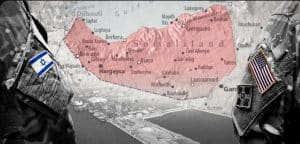
The central government’s threat to block Israeli ships from passing through the Bab al-Mandab Strait is one example of this. In this context, naval operations off the coast of Somalia could be a potential tool to force Western countries to cooperate with Mogadishu and even grant it concessions in order to protect the country’s national unity.
Ansarullah’s experience: Ansarullah’s experience in monitoring shipping routes in the Bab al-Mandab Strait and the southern Red Sea is inspiring for some of the Somali people and provides Somali armed groups with operational solutions and strategies to confront foreign powers.
Europe and America’s focus on other fronts: In recent years, the United States and Europe have focused on other fronts, such as the war in Ukraine, the war in West Asia, and Iran. This has reduced the maneuverability of these countries to be present in the region, and as a result, has created a kind of vacuum on the coast of Somalia.
Strategic Implications of Expanding Naval Operations Off the Coast of Somalia
Although naval operations off the coast of Somalia have been limited to date, the synergy of the factors mentioned above has created great potential for these operations to return with force and become a security problem for the West. This issue, if realized, would have important strategic implications for the region.
Disruption to oil exports from the Red Sea: Currently, due to the closure of the Strait of Hormuz, a large part of the oil from the Persian Gulf region is exported to Asian markets via the Red Sea and the Bab al-Mandab Strait. This oil plays an important role in preventing an excessive increase in oil prices. Disruption to the Bab al-Mandab Strait and the Gulf of Aden will increase the risk of oil transportation from the Red Sea to Asian markets and will put further pressure on the shipping sector.
Disruption to shipping in the Bab al-Mandab Strait: In addition to oil and gas in the West Asian region, the Bab al-Mandab Strait is considered one of the strategic routes in international shipping between Asia and Europe. Although this route has not yet returned to its pre-2023 maritime traffic, disruption in this waterway can be seen as a card and lever of pressure on global markets and a disruptive element in global trade.
Potential to affect the southern African route: The alternative trade route to the Bab el-Mandeb Strait, the East African route to the south of the continent, could be affected by the fighting off the Somali coast, especially as the experience of 2011 and 2012 has shown that the operational scope of Somali attacks can be very wide.
Pressure on the Zionist regime: If the Zionist regime increases naval attacks in Somalia, it will face disruption of the maritime operations of the port of Eilat and disruption of imports from East Asia. Also, given the regime’s presence in the Somaliland region, naval attacks originating from the south of the country will be able to expand the pressure on the regime’s military and intelligence bases in the north of the country.
Somalia and the Future of Naval Operations
The current political, security, and humanitarian situation in Somalia, as well as dissatisfaction with foreign interference, especially in the Somaliland region, has made the region susceptible to increased tension in the Indian Ocean and Gulf of Aden.
In contrast, the presence of large numbers of foreign military forces, especially the European Union forces in the form of Operation Atlanta (to counter the Somali Sea operation) and Operation SPADES (to counter the Ansarullah operation), is considered a serious obstacle to maritime operations, but in contrast, the presence of the Al-Shabaab group in large areas of the country with a wide coastline is considered a safe haven for the operating forces. Therefore, it seems that the ongoing operations with the active support of the Al-Shabaab group, as well as the improvement of weapons and operational capabilities, can shape a new trend in that region.