
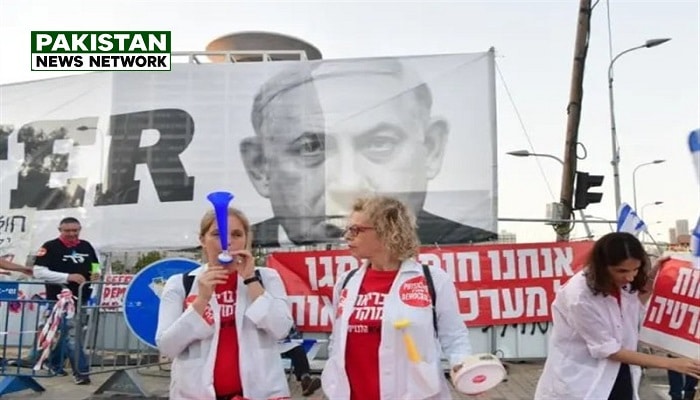
PNN – A 94% surge in the exodus of physicians, coupled with a large number of doctors nearing retirement age, threatens the healthcare system.
According to the report of Pakistan News Network the healthcare system in occupied Palestine is gradually entering a crisis phase. The regime is currently grappling with two expanding phenomena in the medical sector: the emigration of doctors and the fact that many practicing physicians are approaching retirement age without adequate replacements available. Together, these issues have led to an escalating shortage of doctors—particularly in outlying areas—as well as longer waits for appointments and the loss of critical windows for medical treatment; a situation that could negatively influence the decisions of Zionists regarding immigration to the occupied territories or their choice to continue living there.
Emigration of Zionist Doctors from Occupied Palestine
The emigration of doctors from the occupied territories has surged to such an extent over the past three years that it has raised serious concerns regarding the resilience of the regime. According to a new study conducted by Tel Aviv University based on data from the Central Bureau of Statistics (CBS), 1,369 doctors left Israel for a period of at least one year between 2023 and 2025. This represents a 94% increase compared to the same period a decade earlier, when only 705 doctors had left occupied Palestine between 2013 and 2015.
According to this study, 419 physicians left the occupied territories in 2023, 530 in 2024—the peak year of emigration—and 420 in 2025. This figure is equivalent to a large hospital losing its entire medical staff. To put this in perspective, consider that Sheba Medical Center currently employs approximately 2,000 physicians, Shaare Zedek Hospital about 1,000, Soroka Hospital around 900, and Assaf Harofeh (Yitzhak Shamir) Hospital about 630. Crucially, a significant portion of these individuals are senior, experienced professionals—making them the most difficult to replace.
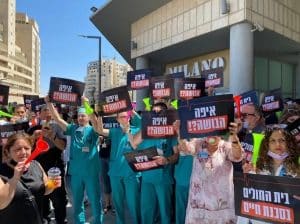
Data indicates that between 2023 and 2025, physicians with 45 years or more of experience account for approximately 20 percent of all those leaving occupied Palestine—one in five. In the previous decade, this figure stood at just 14 percent, or one in seven.
Intensification of the trend of experienced Israeli doctors emigrating.
The disparity is greater than it appears at first glance. Given that the total number of physicians leaving the profession has roughly doubled, the rise in departures among experienced doctors is particularly pronounced. While approximately one hundred experienced physicians left the field over the past decade, around 270 have done so in the last three years. This indicates that many of those currently leaving the profession are not young trainees at the start of their careers, but rather physicians who have completed their training and are at the peak of their professional lives. Collectively, these circumstances compromise the quality of medical care received by Israelis and undermine the capacity to train new physicians.
In this regard, researchers emphasize that this is a “snowball effect” process, wherein a further political, economic, or security shock triggers a feedback mechanism: every individual who leaves the occupied territories increases the incentive for their peers to follow suit.
According to a study conducted by this same research team covering 2023 and 2024, approximately 100,000 individuals—including PhD holders, engineers, academics, high-income earners, and physicians—left occupied Palestine, while the number of returnees simultaneously declined. The researchers noted that this combination of increased departures and reduced returns is what exacerbates the flight of human capital from Israel.
Healthcare Workforce Crisis
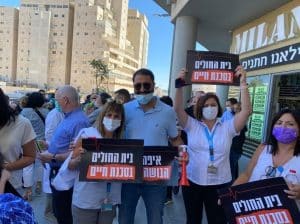
According to a report by the Israeli Ministry of Finance, approximately one-quarter (24%) of physicians working in public hospitals are currently approaching retirement age. This figure stands at 48% for medical specialists, 36% for pediatric surgeons, 34% for geriatricians, and 28% for oncologists.
Data on the healthcare workforce indicates that in 2023, one-quarter of all physicians in Israel—approximately 11,800 individuals—had already passed retirement age; a similar proportion was observed among medical specialists.
This shortage is expected to worsen in the coming years. According to a report published by the “Ynet” website, Israel currently faces a shortage of several hundred neurologists; simultaneously, the recruitment of young trainees is struggling, partly due to relatively low salaries. This shortage impacts patient care. For instance, while new Alzheimer’s medications have become available in recent years, not all patients can access them—not only due to cost but also because there are insufficient specialists with the expertise required to conduct the necessary assessments, make diagnoses, and monitor patients.
This issue is particularly significant when experienced specialists retire in fields currently facing a shortage, such as epilepsy. Meanwhile, the shortage of geriatricians is being exacerbated by the aging of the population. The number of new physicians entering the system is insufficient to meet needs; consequently, there is demand for older, more experienced professionals.
Consequently, experts view the crisis regarding physician retirement as a critical issue that impacts the core resilience of the healthcare system. One of the root causes of this crisis is the aging of the medical workforce that immigrated to the occupied Palestinian territories in the 1990s. For three decades, Israel benefited from the massive influx of approximately 10,000 physicians from the former Soviet Union, and these doctors are now reaching retirement age.
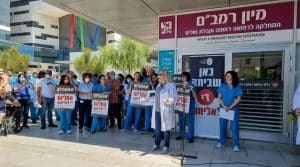
This situation is even more critical in peripheral regions, where the proportion of older physicians exceeds the national average. A wave of retirements will severely impact the North and South in particular, exacerbating healthcare inequalities. In fields such as family medicine, internal medicine, and psychiatry, there is a high concentration of older physicians in peripheral areas; their retirement could lead to clinic closures and increased waiting times—which are already significantly longer in the Negev and the Galilee compared to central regions. Notably, reports indicate that for years, the Israeli Ministry of Health has lacked a comprehensive, long-term strategic plan to address this issue.