
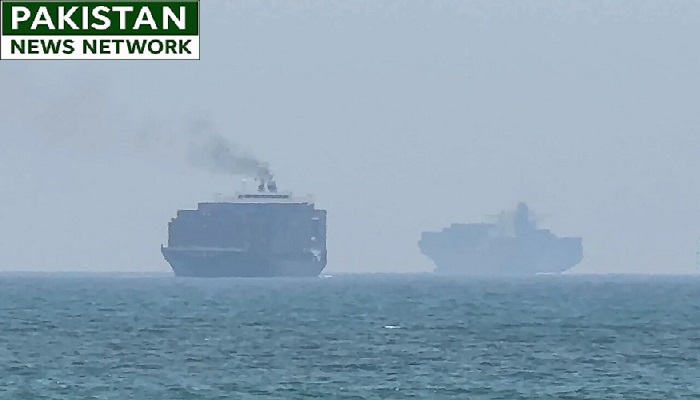
PNN – In an analysis examining the repercussions of a potential Iran-US conflict and developments surrounding the Strait of Hormuz, Foreign Policy magazine characterized this trend as a warning that the world is entering a new era of power-based rivalry—one that undermines the US-favored international order.
According to the report of Pakistan News Network; Foreign Policy noted that ever since the US wars against the Barbary pirates in the early 19th century, guaranteeing freedom of navigation and keeping maritime routes open for global trade had been a cornerstone of American foreign policy; however, recent events in the Strait of Hormuz indicate that this principle is now facing a serious challenge.
This analysis notes that the preliminary understanding reached between Iran and the United States following military confrontations—which assigns Tehran a more prominent role in determining the administrative and maritime service mechanisms for the Strait of Hormuz—has created ambiguities; from Iran’s perspective, this arrangement signifies an acknowledgment of its pivotal role in managing the waterway.
Foreign Policy argues that this ambiguity, coupled with Donald Trump’s proposals to levy tolls on passing vessels, has undermined the principle of freedom of navigation in international waterways.
Noting that neither Iran nor the United States has ratified the UN Convention on the Law of the Sea, this commentary adds that the Strait of Hormuz crisis extends beyond a bilateral dispute and could set a dangerous precedent for other strategic global chokepoints—potentially prompting other nations or regional actors to seek to levy tolls or assert control over vital shipping lanes.
Foreign Policy further emphasizes that ongoing geopolitical rivalries and the “zero-sum game” mindset are not confined to the seas; they now extend to domains such as space, the Arctic, and even the global commons—areas where a lack of international regulations and great-power competition have heightened the risk of new tensions.
The analysis goes on to state that the decline in international cooperation regarding issues like combating climate change, managing pandemics, and safeguarding global public goods reflects the gradual erosion of the post-World War II order—a trend of which the Strait of Hormuz crisis is merely one manifestation.
Ultimately, Foreign Policy concludes that if current trends persist, the Strait of Hormuz crisis could signal not merely a regional conflict, but a warning that the world is entering a new era of power-driven rivalry and the erosion of shared international norms—an era that will make managing global crises more difficult than in the past.