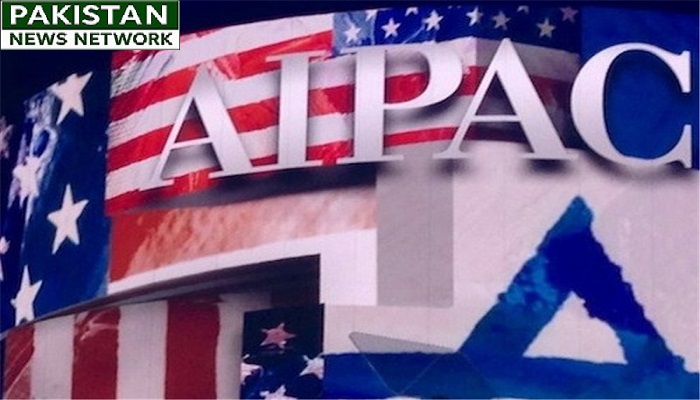
PNN – A Hebrew-language media outlet has revealed that candidates in the US midterm elections are asking AIPAC not to publicly endorse them.
According to the report of Pakistan News Network; Israel’s Channel 7 reported that Republican candidates informed officials at AIPAC—the pro-Israel lobby in the US—that public support from the lobby could prove detrimental to their campaigns.
The Hebrew-language media report continues: Mike Rogers, the Republican Senate candidate for Michigan, has expressed reservations regarding AIPAC’s plan to launch a massive advertising campaign on his behalf.
The organization is preparing to invest millions of dollars in this campaign, but Rogers and his advisors fear that such an overt and public move could cause him political damage, given the widespread hostility toward the Zionist regime within American society.
In this regard, during a meeting with Michael Tuchin, Chairman of the Board of the American Israel Public Affairs Committee (AIPAC), Rogers urged caution regarding the implementation of the plan and called for an examination of alternative options.
He stated that a public campaign by the organization against his Democratic rival, Dr. Abdul Al-Sayed, could embolden and incite his opponents.
Israeli media revealed that the American Israel Public Affairs Committee (AIPAC) spent $32 million during the Democratic primaries in an unsuccessful attempt to stop Abdul El-Sayed—a Muslim candidate who had previously declared his opposition to Zionism and whose defeat the organization’s leadership viewed as a primary objective.
The tensions surrounding this campaign reflect the challenges the organization faces amidst public outrage in the United States over the war in Gaza and the sharp decline in Israel’s popularity within the country.
Bobby Schostak, an advisor to the Rogers campaign, confirmed this, stating: We enjoy the support of the Jewish community and supporters of Israel—and we seek that support—and we will proudly continue to welcome and accept any backing from AIPAC. However, they are exploring alternative avenues to secure this support.
He suggested that AIPAC transfer these contributions to a different organization, with the support being channeled through an entity unaffiliated with AIPAC (known as the pro-Israel lobbying group in the U.S.).