
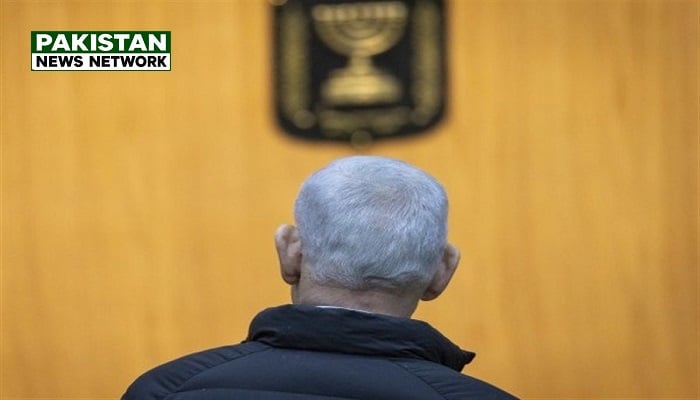
PNN – Israel Hayom reported that Benjamin Netanyahu has devised a plan to remain in power—a strategy unrelated to achieving victory in the war.
According to the report of Pakistan News Network; the newspaper Israel Hayom detailed a new strategy adopted by Benjamin Netanyahu following his loss of hope for an electoral victory. This approach involves perpetuating the cycle of a transitional government—buying time until he can either engineer an election he is sure to win or secure a pardon for his alleged crimes.
According to this Zionist media outlet, this is what occupies his mind—something he is striving to bring about.
Unlike in the past, he made no effort to ensure that all the parties in his coalition adhered to agreements regarding the allocation of surplus votes.
He included his other partners on the Likud list and personally took the helm of the election campaign. In his view, they are not an asset, but rather a burden. He does not look well; he has lost weight, and his clothes hang loosely on his frame. Many assumed he would retire and not run for office, knowing full well that he would face defeat. Yet, he has entered the race—as if his very life depended on it.
Even in the current elections, Netanyahu continues to run the most formidable campaign in the region. Yet, a new figure has emerged: Gadi Eizenkot—a man who has shown no inclination to rush into Netanyahu’s arms or accept a high-ranking position in his government.
Instead, Eizenkot has taken a firm stand against him, explicitly telling voters: “Choose between us.” He argues that Netanyahu must step down from the political arena, citing the events of October 7th and his endless stream of lies.
Other parties within the “change bloc” share this view. They rightly contend that, without Netanyahu, the Likud party could serve as a legitimate partner in a government they might form—though, naturally, the “Democrats” are an exception to this rule.
The article concludes by noting that, given the significant impact the Eizenkot issue has had on Netanyahu, we are once again witnessing the kind of intimidation tactics in which he specializes. To fuel hatred, one need only recall the events of the 1996 elections. In the period following the assassination of Rabin, the divisions were stark and alarming; hostility had become an integral part of the election campaign.