
PNN – In a report, The New York Times analyzes the situation regarding the Strait of Hormuz and Iran’s significant influence over this waterway.
According to the report of Pakistan News Network; the Times report argues that, under current circumstances, the United States must accept a new reality concerning the Strait of Hormuz: it cannot keep the strait fully and permanently open. Consequently, one of the least damaging solutions is to allow Iran to collect transit fees in exchange for the safe passage of ships.
The Strait of Hormuz is a vital route for transporting Persian Gulf oil to global markets; prior to the war, approximately 20 million barrels of oil passed through it daily. However, the war against Iran has made shipping companies cautious about transiting their vessels, leading to a sharp decline in traffic volume.
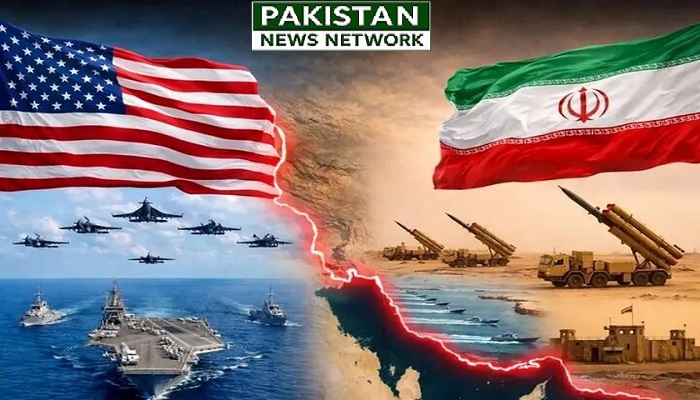
The United States is compelled to incur immense military and financial costs to guarantee the free passage of ships, whereas Iran—leveraging its geographical position and capabilities involving missiles, drones, and attack boats—retains the ability to control maritime traffic. Consequently, attempting to keep the Strait fully open through military operations could evolve into a costly, long-term commitment for the United States.
According to the report, Iran’s collection of tolls could serve as a practical compromise. Iran would have an incentive to allow more ships to pass in order to generate greater revenue, thereby reducing the likelihood of a total closure of the strait in the future. Furthermore, the revenue generated from tolls could help offset some of Iran’s war-related losses.
At the same time, the article acknowledges that such an agreement would represent a political defeat for the United States and could set a negative precedent for other nations situated near vital shipping lanes. Nevertheless, the author maintains that the situation at Hormuz is incomparable to that of many other waterways, given its unique geography and its critical importance to Persian Gulf oil exports.
Ultimately, the New York Times argues that instead of attempting to restore the status quo through military force, the reality of Iran’s effective control over the Strait of Hormuz should be acknowledged and transformed into an economic and regional framework. The author hopes that such a solution would both alleviate pressure on the global economy and consumers and deter future U.S. administrations from becoming embroiled in costly, unnecessary wars.